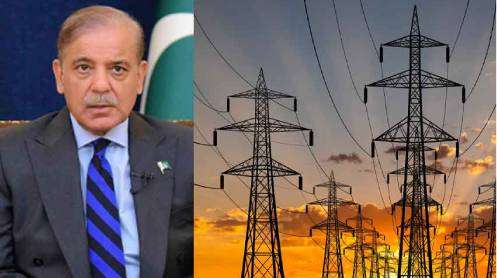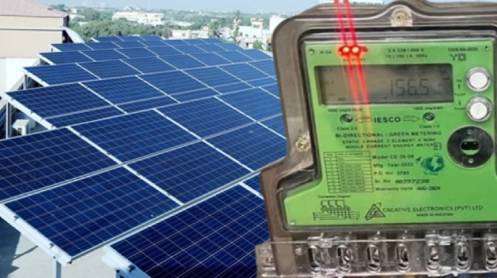
The federal government has made a final decision to discontinue the net metering system for solar consumers and replace it with a net billing policy. For implementation, NEPRA has formally started working on the new framework.
What was Net Metering?
Under net metering, if a home or shop had a solar system:
- Excess electricity generated during the day was exported to the national grid
- At night or when needed, electricity was imported from the grid
- Imported and exported units were adjusted at the same tariff
- As a result, many consumers received zero or very low electricity bills
This policy encouraged millions of consumers to install solar systems and provided relief worth billions of rupees.
Why Did the Government End Net Metering?
According to the government and the power sector:
- Net metering was causing billions of rupees in losses to power distribution companies
- Grid operation and system costs were not being fully recovered
- Therefore, a policy change was deemed necessary
New System: What is Net Billing?
Net metering will now be replaced with net billing, under which:
- Electricity imported from the grid will be charged at the national tariff (around Rs 55–65 per unit)
- Electricity exported to the grid from solar systems will be purchased at around Rs 27 per unit
- Import and export units will be calculated separately
- At the end, both amounts will be adjusted to determine the final bill
Simple Example (For the General Public)
Assume:
- Electricity imported from the grid:
300 units × Rs 60 = Rs 18,000 - Electricity exported to the grid:
300 units × Rs 27 = Rs 8,100
Final bill:
18,000 – 8,100 = Rs 9,900 payable
Under net metering, this bill would have been close to zero.
Who Will the New Policy Apply To?
- The new policy will apply only to new solar connections/contracts
- Consumers who already have a 7-year net metering contract:
- Will continue under the old system until the contract expires
- After expiry, net billing will apply
Who Will Be Most Affected?
- Those who use less electricity during the day and more at night
- Those without battery or hybrid systems
- Consumers who rely heavily on the grid
Who May Still Benefit?
- Consumers with high daytime electricity usage
- Those with battery-based or hybrid solar systems
- Users who minimize grid electricity consumption
What Should the Common Consumer Do Now?
- Reconsider installing a pure on-grid solar system
- Hybrid or battery-based systems may be safer in the long run
- Existing solar users should check the remaining duration of their net metering contracts
After this decision, solar consumers will no longer enjoy the same benefits as before. Grid electricity will remain expensive, while electricity sold to the grid will be cheaper—meaning electricity bills will start appearing again.
This is a major policy shift that will affect everyone planning to install solar systems or already using solar power.