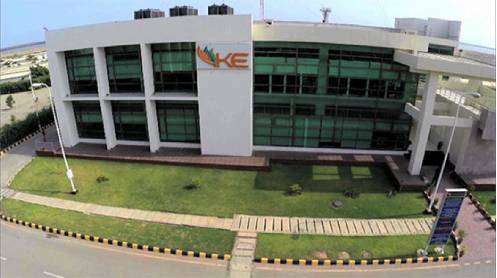
KARACHI: Amid a gradual return of economic stability in Pakistan, K-Electric (KE), the country’s only vertically integrated power utility, recorded steady progress across generation, transmission, distribution and supply during 2025, while continuing investments in digitisation and customer engagement.
KE Chief Executive Officer Moonis Alvi said the utility remained committed to customer satisfaction and reliable service delivery for Karachi. “The revised MYT has presented new challenges, but we will balance the best of what we have to offer to both the city and the company,” he said.
During peak summer in June 2025, Karachi recorded a peak demand of 3,563 MW, which KE met with a peak supply of 3,545 MW, reflecting grid resilience. Average demand from January to November stood at 2,353 MW, with seasonal variation ranging from around 1,470 MW in winter to 2,920 MW in summer.
KE’s generation portfolio supported seasonal demand while advancing plans for future capacity. The utility secured Pakistan’s lowest renewable tariffs—between Rs8.9 and Rs11.6 per unit—for 640 MW of clean energy projects. NEPRA approved bid evaluation reports for Dhabeji, Winder and Bela projects in May 2025, paving the way for future green capacity additions.
On the transmission side, KE enhanced network stability by increasing offtake capacity from the national grid to up to 2,000 MW through the KKI grid, enabling access to surplus and relatively cheaper power.
To curb losses, KE carried out over 25,000 kunda removal drives and removed nearly 320,000 kilograms of illegal wiring by end-November. The utility also organised 310 customer facilitation camps, contributing to recoveries of Rs409 million.
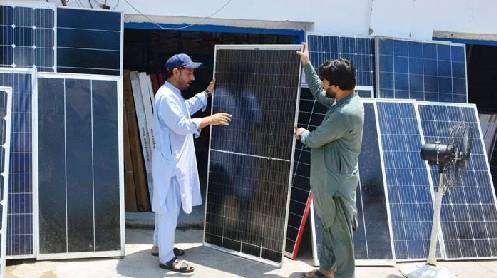
Supporting Karachi’s industrial base, KE provided 339 new industrial connections with a sanctioned load of 136.4 MW. Net metering also expanded, with 9,676 customers connected between January and November, adding over 230 MW of distributed generation capacity.
Digitisation remained a key focus. KE launched Kineto, Pakistan’s first generative AI-powered chatbot by a power utility, now handling nearly 3,000 interactions daily. Digital connectivity rose to 2.7 million customers, e-billing adoption increased to 13 percent, and around 70 percent of bills were paid through digital channels. KE also implemented SAP S/4HANA RISE to strengthen cybersecurity and data-driven operations.
The utility received top honours at the Effie Awards Pakistan 2025, including the Grand Prix for Campaign of the Year for its energy conservation campaign “Farq Parta Hai.” By early December, over 1.2 million customers were using the KE Live App.
During the year, KE’s Multi-Year Tariff was approved and later revised downward by NEPRA, a decision currently under judicial review. NEPRA also approved write-off claims of around Rs50 billion for FY2017–2023.
As it enters the new year, KE says it remains focused on strengthening infrastructure, supporting industrial growth, improving recoveries and expanding digital access, while balancing affordability, reliability and regulatory compliance.