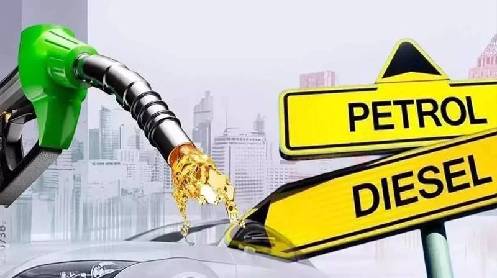
ISLAMABAD: A committee constituted by Prime Minister Shehbaz Sharif has recommended the introduction of 5 per cent voluntary ethanol blending with petrol, subject to commercial viability and consultations with oil marketing companies (OMCs).
Headed by Minister for Petroleum Ali Pervaiz Malik, the committee was tasked with examining fuel-blending options. It has submitted its report to the Prime Minister’s Office, which has asked the panel to present its findings to the deputy prime minister.
According to oil industry officials, Pakistan’s current ethanol production from sugarcane crushing stands at around 400,000 to 450,000 tonnes per year. Most of this output is exported due to attractive international prices, even though exported ethanol is often used abroad for producing E10–E15 fuel blends.
The committee also carried out a price comparison, noting that ethanol remains consistently cheaper than petrol. Monthly average prices show an average difference of about $225 per tonne. However, the panel observed that because ethanol has lower energy content, its price needs to be 20 to 30 per cent lower than petrol to be cost-effective. Significant capital investment would also be required to develop ethanol storage and blending infrastructure.
Vehicle compatibility was another key consideration. The committee noted that new vehicles are generally compatible with E5 and E10 fuels. However, Pak Suzuki Motor Company has raised concerns about the suitability of ethanol blends for older vehicles and two-wheelers. Ensuring a sustainable and consistent supply of ethanol was identified as a major challenge, particularly when export prices are more lucrative.
Pakistan previously introduced a pilot E10 project through state-owned Pakistan State Oil (PSO) between 2010 and 2012. Initially launched in Sindh and later extended to Punjab, the E10 fuel was priced Rs2.50 per litre lower than regular petrol through a petroleum levy differential. PSO was also allowed to retain Rs1.70 per litre for infrastructure development over two years.
The pilot was discontinued in 2012 due to a sudden shortage of ethanol, as producers shifted exports in response to higher international prices. The project faced additional challenges as it was introduced as a separate fuel grade requiring substantial investment, while Pak Suzuki also declared E10 unsuitable for its vehicles.
The report also reviewed international experiences. Brazil began ethanol blending in 1975 with E10 and currently offers E27, supported by long-term policy consistency, infrastructure investment and the introduction of flex-fuel vehicles capable of running on E25–E100. Brazil is the world’s largest sugarcane producer, accounting for about 25 per cent of global output.
India launched ethanol blending in 2003 with E5 and is now supplying E10 while moving towards E20. Through a consistent policy framework, diversified feedstock and regulated ethanol pricing, India has reduced fuel imports and emissions intensity, becoming the world’s second-largest sugarcane producer with a 19 per cent global share.
The United States introduced ethanol blending in the 1970s and currently uses E10 nationwide, with higher blends in some states. It sets flexible annual blending targets based on ethanol availability, aiming to cut greenhouse gas emissions and support rural incomes through corn-based ethanol production.
Story by ZAFAR BHUTTA