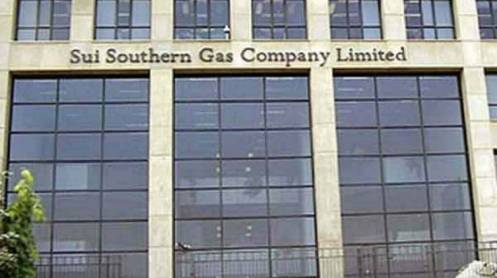
ISLAMABAD: Pakistan’s two major state-owned gas utilities — Sui Northern Gas Pipelines Limited (SNGPL) and Sui Southern Gas Company (SSGC) — have earned more than Rs300 billion in profits over the past seven years, largely through guaranteed returns on fixed assets, rather than improvements in operational efficiency, according to official documents of the Oil and Gas Regulatory Authority (OGRA).
OGRA records show that from FY2019-20 to date, the two companies collectively earned Rs305 billion as assured returns on their regulated asset base. During this period, Sui Northern earned around Rs196 billion, while Sui Southern earned approximately Rs109 billion, with the cost ultimately passed on to consumers.
The disclosures come as OGRA conducts public consultations on revising the Rate of Return (ROR) framework, based on a study carried out by KPMG, for gas transmission and distribution companies operating under the current tariff regime. As part of the consultation process, OGRA has already held public hearings in Lahore, Islamabad, Karachi and Peshawar, with another hearing scheduled for Wednesday in Quetta.
Under the existing tariff structure, gas utilities are allowed a market-based rate of return calculated through the Weighted Average Cost of Capital (WACC) model. This return fluctuates based on market assumptions and the value of net regulated fixed assets in operation. Documents indicate that allowed returns have ranged from 17 percent to as high as 26 percent.
Over the last seven years, Sui Northern charged consumers a 17 percent return on assets on four occasions, 21 percent twice, and 26 percent once. Sui Southern similarly earned returns within the 17–26 percent range during the same period.
Critics argue that this asset-based profit model has placed a significant financial burden on gas consumers, as the utilities continued to earn high, guaranteed returns despite persistent problems such as gas shortages, high line losses and operational inefficiencies. They contend that the current mechanism discourages efficiency gains and service improvements.
OGRA officials have acknowledged these concerns and confirmed that work is underway to revise the profit determination mechanism. According to the regulator, the proposed reforms aim to link company profits to performance indicators, rather than allowing automatic returns based solely on fixed assets.
Officials said stakeholder feedback will be crucial in finalising the revised methodology, which seeks to ease the burden on consumers while incentivising gas utilities to improve efficiency, accountability and service quality.