The federal government is preparing a significant restructuring of electricity and gas pricing by shifting from the existing consumption-based slab system to an income-based tariff model. The move is part of broader energy sector reforms linked to Pakistan’s commitments under the IMF’s Extended Fund Facility (EFF).
Under the proposed framework, subsidies will be allocated according to household income rather than the number of units consumed. This marks a structural transformation in the country’s pricing mechanism, aimed at improving transparency, efficiency, and targeted relief.
Officials said the reform is being finalized in line with obligations agreed with the International Monetary Fund under the EFF programme. The Fund has consistently emphasized the need for Pakistan to rationalize energy subsidies, reduce inefficiencies, and ensure financial sustainability in the power sector.
The proposed model will introduce a system to assess household income—potentially integrated with existing social protection databases—to determine eligibility for subsidies. The objective is to ensure that financial assistance reaches only deserving and vulnerable consumers, while higher-income households pay tariffs closer to the actual cost of energy supply.
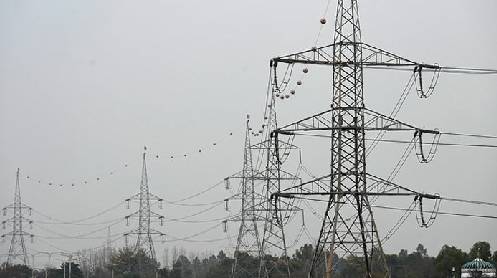
Currently, electricity and gas tariffs are linked to consumption slabs, often resulting in cross-subsidies and pricing distortions. The new income-based approach aims to reduce such imbalances and improve cost recovery across the sector.
Pakistan is already engaged in discussions with the IMF on tariff revisions, with assurances that reforms will be designed to protect low- and middle-income households from undue financial strain.
In addition to subsidy targeting, the reform agenda includes reducing cross-subsidies and tackling the persistent issue of circular debt in the power sector—one of the most pressing challenges facing the national economy.