ISLAMABAD: The federal government is finalising Pakistan’s first-ever Power Sector Indigenisation Plan (PSIP) 2026–35, a comprehensive roadmap aimed at strengthening domestic manufacturing in the power sector, reducing reliance on imports and positioning the country as a competitive player in regional energy supply chains.
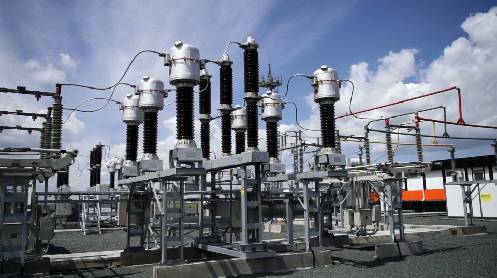
The plan focuses on the strategic localisation of Electrical Power Equipment (EPE) — including transformers, switchgear, cables, meters and control systems — which are currently imported in large volumes.
Phased Strategy for Localisation
Drawing lessons from countries such as China, India and Turkey, the framework proposes a phased approach:
- Short term: Standardised procurement reforms and policy alignment
- Medium term: Investment in testing infrastructure and industrial clusters
- Long term: Development of research, design capabilities and advanced manufacturing
The strategy is based on data from the Integrated Generation Capacity Expansion Plan (IGCEP) 2025–35, NTDC’s Transmission System Expansion Plan (TSEP), international trade statistics and assessments by the Ministry of Energy and the National Electric Power Regulatory Authority (NEPRA).
The plan comprises nine chapters covering strategic context, market assessment, supply chain development, policy reforms, tariff restructuring, fiscal incentives and institutional governance.
Import Reliance Remains High
Despite some progress, over 90% of Pakistan’s EPE requirements are still met through imports. Imports of electrical products declined from $539.1 million in FY2022 to $416.8 million in FY2023 — a 23% reduction — but officials say this reflected macroeconomic stabilisation rather than structural self-sufficiency.
Over the past decade, EPE imports surged from $641.4 million in 2014 to a peak of $1.36 billion in 2021, before easing amid import restrictions. Meanwhile, the total domestic EPE market (imports plus local production) has expanded from around $3.4 billion in 2015 to approximately $5.2–5.3 billion in 2024, growing at a compound annual rate of 5%.
Key segments now include:
- Power transformers: Over $1.3 billion annually
- Switchgear and control gear: Around $1.0 billion annually
With major grid expansions under NTDC and new generation projects under IGCEP, demand is expected to rise further.
Procurement and Trade Reforms
The Power Division emphasised that indigenisation must be supported through fiscal incentives, demand commitments and international collaboration. Trade policy reforms will prioritise:
- Import substitution targets
- Phased localisation tied to investment milestones
- Tariff rationalisation favouring local production
- Demand guarantees via public procurement
A core reform under consideration is the introduction of a localisation score in bid evaluations, assigning 15–20% weight to Domestic Value Addition (DVA). Bidders would submit verifiable Local Content Declarations (LCDs), integrating indigenisation directly into procurement frameworks.
Engaging Donors and EPC Contractors
Since many power projects are financed by institutions such as the World Bank and the Asian Development Bank (ADB), the government is engaging these lenders to align procurement frameworks with national localisation goals.
Standard bidding documents for donor-funded projects are being revised, and efforts are underway to incorporate local preference clauses with donor approval. Initial progress has been recorded in certain ADB-funded distribution projects, where domestic meter manufacturers secured contracts.
Chinese EPC contractors operating under CPEC are also being encouraged to partner with Pakistani firms. Some projects have already begun sourcing towers, cables and hardware locally, reducing foreign exchange outflows and shortening delivery timelines.
Fiscal Incentives Under Review
To correct inverted duty structures — where imported finished goods attract lower tariffs than raw materials — the government is considering:
- Zero customs duty on raw materials and capital machinery
- Sales tax relief on key components
- Accelerated depreciation allowances for plant and testing facilities
- Tax holidays or reduced rates for high-voltage testing labs and R&D centres
- Gradual increase in duties on finished EPE products once verified local capacity becomes operational
Officials also plan to eliminate distortive fiscal anomalies in donor-funded projects and restore zero-rated sales tax on power-sector machinery to avoid refund-cycle capital constraints.
Investment and FDI Trends
In FY2023, Pakistan attracted $1.456 billion in total Foreign Direct Investment (FDI), with the power sector receiving the largest share — $622.6 million, or 42.8% of total inflows — underscoring investor interest in the segment.
Under the PSIP, local manufacturers are projected to capture 30–35% of procurement spending in targeted categories within three years, up from less than 15% currently. By 2030, several EPE categories could achieve cost competitiveness without protective tariffs, provided sufficient economies of scale are realised.
The government also anticipates that international OEMs — particularly in switchgear and grid equipment — may establish joint ventures or assembly lines in Pakistan to remain competitive in NTDC and Disco tenders, enabling technology transfer and skills development.
Strategic Imperative
Officials maintain that a calibrated mix of procurement reform, tariff restructuring, fiscal incentives and institutional support will enable Pakistan to progressively localise power-sector manufacturing while maintaining efficiency and competitiveness.
With expanding infrastructure needs over the next decade, policymakers see indigenisation not only as an industrial strategy but also as a critical step toward energy security, foreign exchange savings and long-term economic resilience.
Story by Mushtaq Ghumman