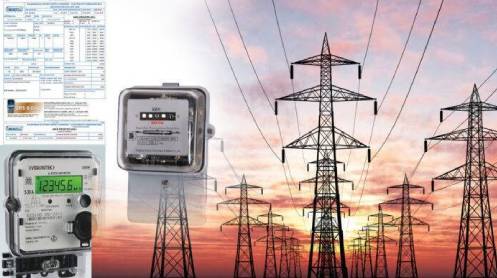
ISLAMABAD: The National Electric Power Regulatory Authority (NEPRA) has notified an additional financial burden of about Rs23 billion on electricity consumers by allowing a Rs1.63 per unit increase in fuel cost for March along with approximately 35 paisa per unit in additional charges for the next three months.
As a result, electricity consumers will face a total increase of around Rs1.98 per unit in their bills during March. The impact of the Fuel Cost Adjustment (FCA) alone is estimated at Rs14 billion, while Rs8.7 billion under the Quarterly Tariff Adjustment (QTA) will be recovered from consumers over the next three months.
In a late-night notification issued on Wednesday, the regulator stated that the positive fuel cost adjustment for January 2026 — Rs1.6274 per kWh — will be applicable to all consumer categories of K-Electric (KE) and power distribution companies (XWDISCOs), which were previously part of WAPDA. However, the adjustment will not apply to lifeline consumers, electric vehicle charging stations (EVCS), and prepaid electricity consumers who have opted for prepaid tariffs.
NEPRA further clarified that the higher FCA would also apply to consumers benefiting from the incremental consumption package. Power distribution companies and K-Electric have been directed to reflect the January 2026 FCA in electricity bills for March 2026.
The regulator noted that additional electricity supply from the national grid to K-Electric has had a positive impact on consumers. According to NEPRA, if KE had not received electricity from the national grid, the tariff impact could have been significantly higher, with an estimated increase of Rs1.50 per unit due to FCA and Rs2.38 per unit under the quarterly capacity purchase price, resulting in a combined rise of Rs3.88 per unit.
NEPRA also highlighted that additional electricity consumption exceeding 1,100 GWh under the incremental package required the dispatch of marginal generation plants, which contributed to the higher FCA. However, the regulator expressed optimism that higher overall electricity sales would improve capacity cost recovery, potentially leading to more favorable quarterly tariff adjustments in the coming period.
Story by Khaleeq Kiani