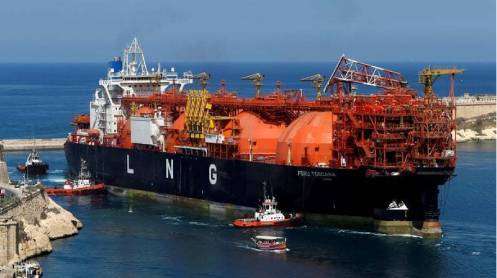
Islamabad: The Government of Pakistan has activated an emergency energy contingency plan after disruptions in liquefied natural gas (LNG) supplies from Qatar amid the ongoing regional tensions involving Iran. The development has raised concerns about Pakistan’s energy security, particularly as the country currently maintains oil and gas reserves estimated to last around 25 days.
Officials say the contingency plan is aimed at stabilizing fuel availability, managing gas consumption, and securing alternative supplies to prevent a major energy shortfall.
As part of the immediate measures, authorities have decided to restore approximately 350 million cubic feet per day (MMcf/d) of local gas production that had previously been curtailed. The production was earlier reduced to accommodate surplus LNG imports, but the government now plans to bring these domestic fields back online to support the national gas supply.
In parallel, Pakistan is actively exploring alternative LNG sources to compensate for the supply disruption. Government officials are reportedly in discussions with SOCAR Trading Company of Azerbaijan as well as energy authorities in Saudi Arabia to secure emergency LNG cargoes and stabilize the country’s fuel supply chain.
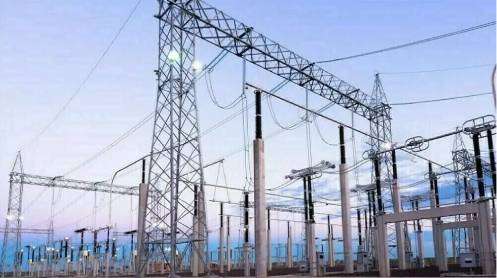
The government is also preparing to implement gas rationing measures across various sectors to prioritize essential consumption. Under the proposed plan, gas supply to fertiliser plants will be temporarily suspended, while allocations to gas-based power plants will be significantly reduced—from 250 MMcf/d to around 80 MMcf/d. Supplies to compressed natural gas (CNG) stations may also be curtailed if the situation worsens.
To address potential market distortions during the crisis, authorities are considering shifting to weekly fuel price revisions instead of the current biweekly mechanism. Officials say the move is intended to discourage hoarding and cross-border fuel smuggling while keeping domestic prices more closely aligned with global market trends.
The energy supply concerns come at a time when Pakistan is already facing mounting economic pressures. Recent trade data indicates that the country’s trade deficit has widened by 25 percent, reaching approximately $25 billion during the first eight months of the current fiscal year. During the same period, exports declined by 7.3 percent to $22.7 billion, while imports increased by 8.1 percent to $45.5 billion.
Energy analysts warn that Pakistan’s heavy reliance on imported fuel, particularly LNG and oil, continues to expose the economy to global supply disruptions and geopolitical developments. They note that structural vulnerabilities within the country’s energy sector make it particularly sensitive to external shocks.
Government officials say the emergency measures are precautionary and part of broader efforts to ensure uninterrupted energy supplies and maintain economic stability while the regional situation continues to evolve.
Pakistan Activates Emergency Energy Plan as LNG Supply Disruption Raises Supply Concerns