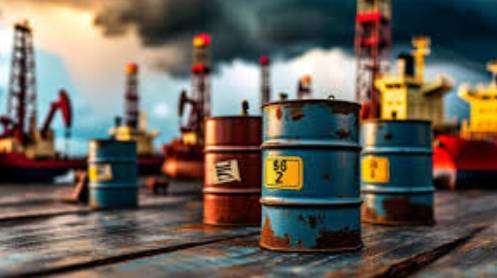
Islamabad: The Government of Pakistan has drawn up an emergency energy management plan amid growing concerns over a potential shortage of oil and gas supplies, as regional geopolitical tensions threaten the country’s fuel imports and overall energy security.
According to government sources, the situation has intensified after Qatar reportedly halted or disrupted LNG supplies to Pakistan due to the ongoing conflict involving Iran, raising fears of supply chain disruptions in the region. Pakistan currently maintains strategic reserves of oil and gas estimated to last around 25 days, prompting authorities to prepare precautionary measures to manage consumption and ensure continuity of essential services.
As part of the emergency plan, the government is considering a range of energy conservation measures across public institutions, educational sectors, and official operations.
One of the key proposals under review is the introduction of work-from-home arrangements for government offices and public-sector institutions where feasible. The move aims to significantly reduce fuel consumption linked to daily commuting and office operations.
Similarly, educational institutions including schools, colleges, and universities may be directed to temporarily shift to online classes to limit transportation needs and conserve energy resources. Officials believe that reducing the movement of students and staff could help lower national fuel consumption during the critical period.
The government is also planning to restrict non-essential official activities. This includes canceling unnecessary meetings, conferences, and official gatherings that require travel or increased energy usage. Authorities are further considering limiting non-essential domestic and international travel by government officials as part of broader fuel conservation efforts.
In a parallel step aimed at stabilizing the fuel market, the government has decided to move toward weekly adjustments in petroleum prices instead of the existing biweekly pricing mechanism. Officials say this measure is intended to better align domestic fuel prices with international market trends while discouraging fuel smuggling and hoarding, which often increase during periods of regional instability and price disparities.
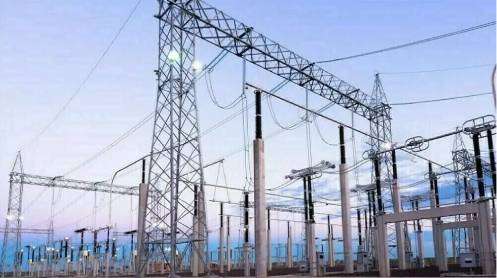
Energy experts warn that Pakistan’s already fragile economic conditions could worsen if the energy supply situation deteriorates further. The country heavily depends on imported fuel, particularly LNG and crude oil, to meet domestic power generation and industrial demands. Any prolonged disruption could affect electricity production, industrial output, transportation, and overall economic activity.
In response to the evolving situation, Pakistan has reportedly approached Saudi Arabia for assistance in securing alternative oil and gas supplies. Discussions are believed to be underway regarding possible emergency fuel support or deferred payment arrangements to help the country maintain adequate energy stocks.
Officials emphasize that the proposed measures are largely precautionary and will be implemented if the supply disruption continues or intensifies. The government is also closely monitoring regional developments and coordinating with international energy partners to safeguard Pakistan’s fuel supply chain.
The emergency planning reflects growing concerns about how geopolitical tensions in the Middle East could impact energy-importing economies like Pakistan, which rely heavily on stable global supply routes for their energy needs.
Pakistan Prepares Emergency Energy Plan Amid Looming Oil and Gas Supply Crisis