Peshawar: The Chief Minister of Khyber Pakhtunkhwa, Muhammad Sohail Afridi, has directed authorities to expedite the rollout of solar systems under the province’s household solarisation initiative, stressing that all procedural formalities must be completed without delay.
Chairing a high-level review meeting at the Chief Minister’s House in Peshawar on Friday, the chief minister described the project as a flagship programme aimed at providing relief to citizens amid rising energy challenges and increasing electricity costs.
Afridi emphasised that the timely implementation of people-centric initiatives remains a key priority of the provincial government. “The government is investing substantial resources to provide essential facilities to the public, and the benefits must reach deserving households without delay,” he said, directing officials to avoid unnecessary delays in documentation and project execution.
During the meeting, officials presented a detailed briefing on the progress of the project, revealing that the initiative will benefit 130,000 deserving households across the province, including residents of the merged tribal districts.
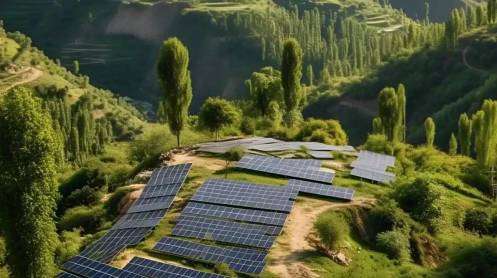
Under the programme’s first category, 65,000 households will receive solar systems completely free of cost, while another 65,000 households will be provided solar units with a 50 percent subsidy, with the remaining cost payable through easy instalments.
Officials informed the meeting that the project’s PC-1 document has been finalised and will soon be presented for approval at the upcoming meeting of the Provincial Development Working Party.
In addition, a separate solarisation initiative is being developed under the Accelerated Implementation Programme (AIP) specifically for the merged districts. This component aims to provide solar systems to 120,000 deserving households in these areas and is expected to be presented for final approval in the next provincial cabinet meeting.
Authorities noted that the allocation of solar systems across districts will be proportional to population size to ensure fair and balanced distribution.
The programme will prioritise vulnerable and disadvantaged groups, including widows, persons with disabilities, temporarily displaced persons (TDPs), families affected by natural disasters, and other marginalised communities. Special focus will also be given to off-grid areas where access to conventional electricity remains limited.
Officials said the solarisation initiative is expected to help reduce electricity costs for low-income households while promoting the adoption of renewable energy solutions across the province.
Story by Ahtesham Bashir