Doha: Qatar’s Energy Minister Saad Sherida Al-Kaabi has warned that continued conflict involving Iran could force Gulf energy producers to halt exports within weeks, potentially pushing global oil prices to $150 per barrel and triggering major disruptions in global energy markets.
In an interview with the Financial Times, Al-Kaabi said that if the conflict persists, energy exporters across the Gulf region may have no option but to declare force majeure, effectively suspending contractual supply obligations.
“Everybody who has not called for force majeure, we expect will do so in the next few days if this continues. All exporters in the Gulf region will have to call a force majeure,” he said.
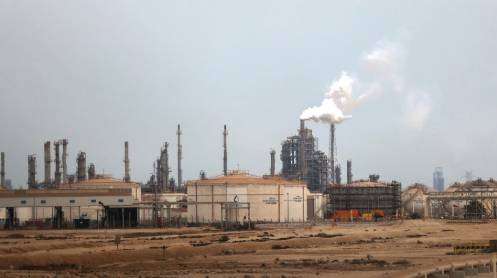
The warning comes after Qatar halted its liquefied natural gas (LNG) production earlier this week as Iran continued strikes against Gulf countries in response to attacks by Israel and the United States.
Qatar is one of the world’s largest LNG producers, with its exports accounting for around 20 percent of global LNG supply, making the country a key supplier for both Asian and European energy markets.
Al-Kaabi warned that a prolonged conflict would have serious consequences for the global economy. “If this war continues for a few weeks, global GDP growth will be impacted,” he said, adding that rising energy costs would lead to supply chain disruptions.
“Energy prices everywhere will rise. There will be shortages of certain products and a chain reaction where factories cannot maintain supply,” he noted.
Even if the conflict were to end immediately, Al-Kaabi said it would still take weeks or even months for Qatar’s LNG exports to return to normal delivery cycles.
The minister, who also serves as Chief Executive of QatarEnergy, revealed that the ongoing tensions could delay the company’s major North Field expansion project, one of the largest LNG expansion initiatives in the world.
“It will delay all our expansion plans for sure,” he said. “If the situation stabilises within a week, the impact may be minimal, but if it lasts a month or two, the consequences will be significant.”
The North Field expansion project was originally scheduled to begin production in mid-2026.
Al-Kaabi further warned that oil prices could surge to $150 per barrel within two to three weeks if oil tankers and shipping vessels are unable to pass through the Strait of Hormuz, the world’s most critical oil transit route connecting major Gulf producers with international markets.
He also predicted that global natural gas prices could climb to $40 per million British thermal units (MMBtu) if supply disruptions continue.
Energy analysts say the escalating conflict poses a serious threat to global energy security, as any prolonged disruption in the Gulf could significantly affect oil and gas supplies, increase prices, and slow economic growth worldwide.
By AFP