A sharp surge in global oil prices may push Pakistan to increase domestic oil and gas production as supply disruptions in the Middle East strain global energy markets, according to a research report by Topline Securities.
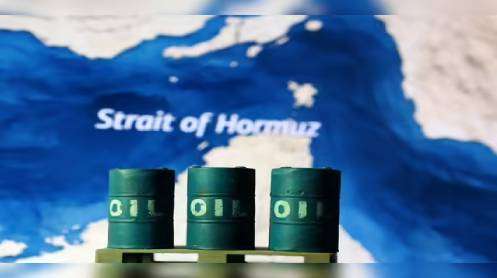
The report noted that Brent crude prices have risen nearly 70 percent over the past month, including a 25 percent jump on March 9, driven by disruptions in global supply chains and tensions affecting shipping routes such as the Strait of Hormuz.
Higher oil prices could increase Pakistan’s petroleum import bill but may also encourage policymakers to facilitate local exploration companies to boost output. Currently, domestic production meets only about 15 percent of the country’s total oil demand.
Pakistan’s crude oil and natural gas production has declined by about 16 percent and 21 percent respectively over the past five years.
The decline has been linked to factors such as cash flow constraints due to circular debt, reduced focus on high-risk exploration projects, and forced curtailment of production to accommodate contracted regasified LNG supplies.
The report said the current market conditions provide an opportunity for exploration and production companies to restore previously curtailed output and bring new fields online.
However, long-term expansion would require government assurances that production will not be curtailed again once market conditions stabilize and that restrictions on third party gas sales are eased.
According to estimates cited in the report, major energy companies in Pakistan have experienced significant forced production curtailments, including about 91 mmcfd of gas and 1,790 barrels per day of oil at Oil and Gas Development Company Limited and around 40 to 50 mmcfd of gas at Pakistan Petroleum Limited.