Global oil prices plunged more than 6% on Tuesday after reaching their highest level in over three years a day earlier, as U.S. President Donald Trump suggested the conflict in the Middle East could soon come to an end, easing fears of prolonged supply disruptions.
International benchmark Brent crude oil futures fell $6.51, or 6.6%, to $92.45 per barrel, while West Texas Intermediate (WTI) crude declined $6.12, or 6.5%, to $88.65.
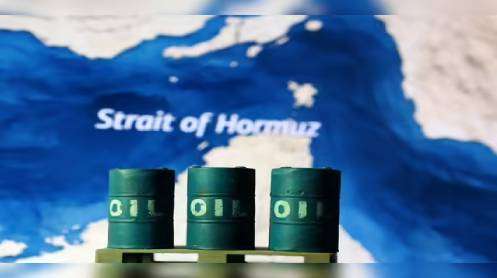
On Monday, oil prices had surged above $100 per barrel, with Brent and WTI touching session highs of $119.50 and $119.48 respectively—their highest levels since mid-2022. The rally was driven by supply cuts from major producers, including Saudi Arabia, amid escalating tensions during the expanding U.S.–Israeli conflict with Iran, raising concerns about major disruptions to global oil supplies.
However, prices retreated after Vladimir Putin reportedly held a phone call with Trump and proposed steps toward a swift settlement to the Iran conflict, according to a Kremlin aide. The development eased market fears of a prolonged disruption in oil supply.
In an interview with CBS News, Trump said the war against Iran was “very complete” and that Washington was “far ahead” of the four-to-five-week timeline he had initially estimated.
Responding to Trump’s remarks, Iran’s Islamic Revolutionary Guard Corps (IRGC) warned that Tehran would determine how the conflict ends and threatened that not “one litre of oil” would be exported from the region if U.S. and Israeli attacks continued, according to state media.
Despite the warning, prices remained under pressure as reports indicated the U.S. administration is considering easing oil sanctions on Russia and releasing emergency crude reserves to curb soaring global oil prices amid the Iran conflict.
Market analysts expect continued volatility. Tony Sycamore, market analyst at IG Group, said crude oil could trade within a wide range between $75 and $105 in the coming sessions.
Meanwhile, several Gulf producers have started reducing output as the conflict disrupts shipping routes in the region. Iraq cut production at its major southern oilfields by about 70% to 1.3 million barrels per day, while Kuwait Petroleum Corporation also scaled back production and declared force majeure. Sources added that Saudi Arabia has begun trimming output as well.
The Group of Seven (G7) nations said they are ready to take “necessary measures” in response to surging oil prices but stopped short of announcing a coordinated release of emergency reserves.
By Reuters