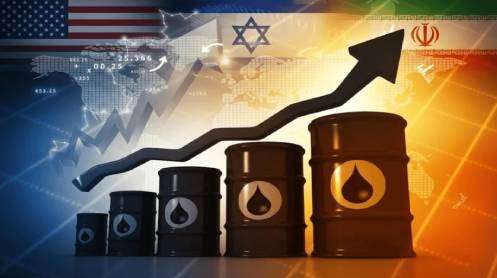
ISLAMABAD: A parliamentary committee on Monday decided to investigate whether the recent 20 percent increase in petroleum prices benefited the national exchequer or resulted in windfall inventory gains for private oil companies.
The issue was taken up by the Senate Standing Committee on Economic Affairs, chaired by Saifullah Abro, which expressed serious concern over the price hike and its impact on the public, particularly low-income groups.
The committee directed the Petroleum Division of Pakistan to provide complete details regarding the stock positions of oil marketing companies (OMCs) to determine whether the price increase primarily benefited the government or resulted in excessive gains for private firms.
Concerns Over Oil Import Disruptions
The committee’s deliberations came amid reports that spot tenders floated by Pakistan State Oil (PSO) for importing petroleum products received zero bids due to difficulties in securing marine and war-risk insurance.
In a letter sent to several government entities, the Oil Companies Advisory Council (OCAC) warned that the ongoing geopolitical tensions in the Middle East have made it increasingly difficult to obtain adequate insurance coverage for oil shipments.
According to OCAC Secretary General Dr Syed Nazir Abbas, international oil and shipping markets have become extremely volatile due to the evolving conflict involving Iran, Israel, and the United States.
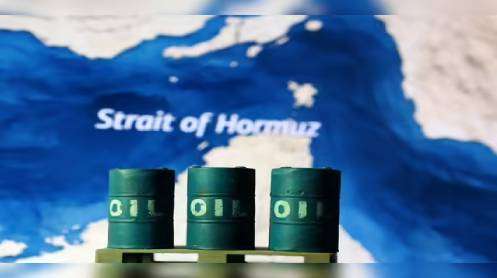
He noted that several marine insurers have either withdrawn coverage or significantly raised war-risk insurance premiums for vessels operating in the Persian Gulf and the Strait of Hormuz.
Freight and Insurance Costs Soar
Freight rates for tankers operating in the Gulf region have reportedly increased nearly fourfold, while war-risk insurance costs have surged sharply, making tanker chartering significantly more difficult and expensive.
Under existing regulations, refineries and OMCs import petroleum products on a Cost and Freight (C&F) basis, where suppliers arrange freight while buyers bear the cost of insurance, including war-risk coverage.
Given the extraordinary circumstances, the OCAC has proposed temporarily allowing imports on a Cost, Insurance and Freight (CIF) basis instead. This arrangement would allow suppliers to handle insurance coverage as part of the shipment contract.
Call for Temporary Regulatory Relaxation
In its letter addressed to the State Bank of Pakistan, as well as the finance and petroleum ministries and the Oil and Gas Regulatory Authority, OCAC requested a temporary general approval for CIF-based petroleum imports.
The proposed relaxation would cover crude oil, refined petroleum products, base oil and related materials for a period of up to two months, aiming to ensure uninterrupted fuel supplies during the current period of heightened geopolitical volatility.
Meanwhile, oil industry representatives also urged district administrations to refrain from taking strict punitive actions against petrol pumps that temporarily run out of fuel due to supply disruptions. They argued that such actions, reportedly taken under directives to curb malpractice, could worsen supply challenges in the current market conditions.
Story by Khaleeq Kiani