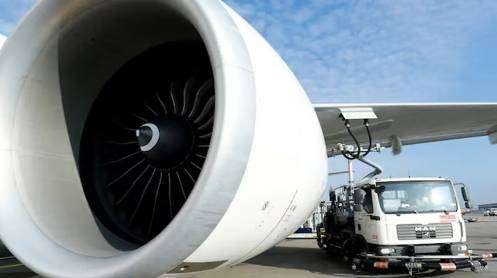
ISLAMABAD: A sharp increase in jet fuel prices has significantly raised operating costs for Pakistani airlines, prompting concerns that the current pricing structure could undermine the competitiveness of the country’s aviation sector and shift international traffic toward foreign carriers.
The issue was discussed during a meeting of a cabinet committee formed by Prime Minister Shehbaz Sharif to monitor fuel prices in light of the evolving regional situation. The meeting, chaired by Finance Minister Muhammad Aurangzeb, reviewed developments in the energy sector and their impact on key industries.
Officials informed the committee that the price of Jet A-1 fuel has surged from around Rs166 per litre to nearly Rs290 per litre, representing an increase of approximately 75 percent.
Aviation fuel typically accounts for 30–40 percent of airline operating costs, meaning the sharp rise has substantially altered the cost structure of domestic carriers. Authorities also noted that airlines cannot immediately pass on the higher costs to passengers because air tickets are often sold several months in advance, limiting their ability to adjust fares in the short term.
During the meeting, it was highlighted that foreign airlines enjoy a competitive edge due to lower fuel prices at their home hubs, the use of fuel hedging strategies, and wider international networks. Officials warned that without policy interventions, the current fuel pricing framework could damage Pakistan’s aviation industry and divert international traffic to foreign carriers.
According to a statement issued by the Finance Division of Pakistan, the committee directed relevant authorities to conduct a detailed review of the matter and present a comprehensive assessment at the next meeting.
Petroleum Supply and Energy Monitoring
The committee also continued its daily review of developments in the energy sector, assessing national preparedness in view of ongoing regional tensions. Members were briefed on petroleum product stock levels, crude oil imports, refinery operations, and supply chain logistics, including cargo shipments currently en route and additional imports being arranged.
Officials reported that petroleum stocks across Pakistan remain at comfortable levels and supply chains are operating smoothly, with several cargoes already scheduled to ensure continuity of supply in the coming weeks.
Participants also reviewed recent trends in global crude and refined petroleum product prices, which have experienced significant volatility due to geopolitical developments. The committee evaluated international market indicators and potential scenarios for global energy markets while emphasizing the need for continuous monitoring.
Focus on Energy Security and Conservation
The meeting further examined logistical arrangements for crude imports, refinery throughput, and maritime transportation. Authorities briefed the committee on measures being taken to ensure uninterrupted refinery operations and smooth cargo movements.
In addition, the committee reviewed a range of energy conservation and demand management initiatives aimed at reducing pressure on fuel imports during periods of global price volatility. These measures include promoting efficient fuel consumption and implementing public sector conservation initiatives.
Provincial governments also briefed the committee on enforcement measures and inspections at petrol pumps to ensure fuel availability and prevent supply disruptions. Federal authorities updated participants on the development of an integrated monitoring dashboard designed to provide real-time visibility of stock levels and retail supply conditions nationwide.
Finance Minister Aurangzeb stressed that the government’s top priority remains ensuring the uninterrupted availability of petroleum products. He noted that despite volatility in global energy markets, Pakistan’s supply position remains stable due to proactive planning and close coordination among relevant ministries.
He added that the committee will continue daily monitoring of global energy markets, domestic stock levels, and supply chain dynamics to ensure timely policy responses and safeguard the country’s energy security.
Story by Tahir Amin