KARACHI: Pakistan’s increasing reliance on domestic energy sources — including solar, wind, hydropower, nuclear and local coal — has significantly reduced the country’s vulnerability to disruptions in global liquefied natural gas (LNG) supplies, Federal Power Minister Awais Leghari said.
In an interview with Reuters, the minister noted that Pakistan has been steadily shifting toward indigenous power generation to enhance energy security and reduce dependence on imported fuels.
“Pakistan has been steadily increasing reliance on indigenous energy resources, and about 74 percent of our electricity generation now comes from local sources,” Leghari said, adding that the government aims to raise this share to more than 96 percent by 2034.
The remarks come amid growing concerns over global LNG supply disruptions following tensions in the Middle East, particularly involving Qatar—the world’s second-largest LNG exporter after the United States—which supplies the majority of Pakistan’s imported LNG used for power generation during peak demand periods.
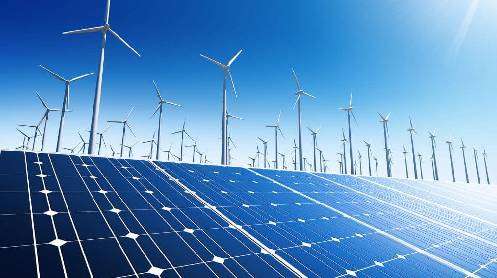
Leghari credited what he described as a “people-led solar revolution,” along with earlier investments in nuclear power, hydropower and domestic coal, for strengthening the country’s energy independence. Pakistan has historically faced severe electricity shortages, with extended periods of load shedding during peak summer months.
However, the country now has surplus generation capacity after adding several coal, LNG and nuclear power plants in recent years, while electricity demand growth has slowed. At the same time, rooftop solar adoption has surged across the country, occasionally exceeding grid demand in some regions during daytime hours.
Currently, LNG contributes around 10 percent of Pakistan’s electricity generation, mainly to meet evening demand peaks and stabilize the power grid. During the global energy crisis triggered by Russian invasion of Ukraine, Pakistan struggled to secure LNG cargoes on the spot market, forcing authorities to implement prolonged power cuts.
Leghari said that even if LNG supplies were disrupted or became too expensive, the impact on Pakistan’s overall power generation capacity, industry and agriculture would likely remain limited.
“In a worst-case scenario, if LNG cargoes stopped for several months, Pakistan might experience one to two hours of load shedding during peak summer evenings,” he said, adding that such outages would primarily affect some urban and rural areas rather than industrial or agricultural sectors.
To address evening demand peaks, the government is also exploring battery energy storage solutions that can store surplus solar power generated during the day and supply it during nighttime hours.
Meanwhile, Pakistan has already cancelled 21 LNG cargoes scheduled for delivery in 2026-27 under a long-term agreement with Eni of Italy, reflecting declining gas demand as renewable energy capacity expands.
The power minister emphasized that Pakistan’s future energy strategy will prioritize local and clean energy sources over imported fuels. Currently, about 55 percent of the country’s electricity generation comes from clean energy, and the government aims to increase this share to more than 90 percent by 2034.
Hydropower currently produces around 40 terawatt hours (TWh) of electricity annually, while nuclear power contributes roughly 22 TWh and domestic coal generates about 12 TWh, forming a substantial share of Pakistan’s electricity mix without relying on imported fuel.
Rooftop solar installations have also surged nationwide, exceeding 20 gigawatts (GW) of capacity, significantly reducing daytime demand from the national grid. During the summer months, hydropower generation also rises due to increased river flows, adding as much as 7,000 megawatts of capacity to help meet higher electricity demand driven by air-conditioning use.
By Reuters