ISLAMABAD: A planned restructuring of state-owned power generation companies has encountered resistance within the bureaucratic setup of the Power Division Pakistan and its subordinate entities, delaying efforts to merge several outdated power plants into the National Power Parks Management Company (NPPMC).
Sources said the reform plan—endorsed by the National Task Force on Energy and Federal Power Minister Sardar Awais Ahmed Khan Leghari—aims to consolidate oil-based and redundant generation companies (Gencos 1 to 4) into NPPMC. The initiative is part of broader power sector reforms designed to reduce electricity tariffs and improve operational efficiency.
Most of the power plants operated by these companies have already been auctioned or closed, often sold as scrap, as part of the government’s strategy to reduce costs in the energy sector. The reforms also included renegotiations with independent power producers, which officials claim could generate savings of more than Rs4 trillion over the remaining lifespan of public and private power plants.
Following the closure of these facilities, hundreds of employees, including engineers and administrative officers, were temporarily transferred to distribution companies (Discos) until March 31.
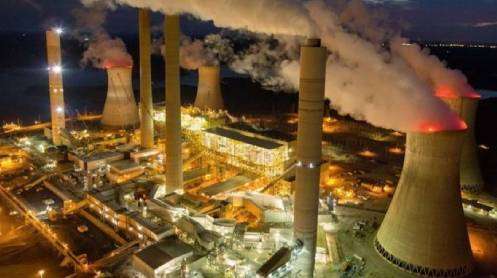
After a series of meetings held in late February, the task force—led by Lt Gen Zafar Iqbal and the power minister—recommended merging several power plants, including the 660MW Jamshoro plant, the 747MW Guddu facility, the 525MW Nandipur plant, and the Lakhra Power Plant. These entities, along with their parent organisation, Gencos Holding Company Limited (GHCL), were proposed to be integrated into NPPMC, which already operates modern LNG-based power plants.
However, officials within the existing structure have reportedly proposed an alternative plan—merging the Gencos into GHCL instead. According to sources, this proposal would involve expanding staffing levels by hiring an additional 55 to 60 personnel across the companies and at GHCL headquarters.
Critics argue that the current arrangement allows board members and executives to retain corporate benefits such as vehicles, fuel allowances, and support staff. The board of GHCL reportedly holds multiple meetings each week, with each board member receiving about Rs100,000 per meeting along with travel and accommodation expenses.
The task force concluded that maintaining these inactive entities had become a financial burden on the public exchequer and the power sector’s finances. Consequently, on February 22 and 23, both the task force and the power minister decided that Gencos 1 to 4 and GHCL should be merged into NPPMC, directing the Power Division to issue a formal notification to implement the decision.
NPPMC’s management and board were also instructed to prepare for the takeover of the Gencos and GHCL operations. However, as of March 12, the Power Division had yet to issue the official notification required to initiate the merger and winding-up process.
When approached for clarification, officials from the Power Division stated that GHCL’s chief executive, Shahid Mehmood, would provide a response. In a written statement later conveyed through the division, Mehmood said that no final decision had been taken yet.
“This is just an idea discussed in meetings. Merging two companies is a complex process that requires thorough examination before implementation,” he stated, adding that a committee would be formed to review the plants and propose a roadmap if a final decision is approved.
However, official records indicate that the task force had already conveyed a principal decision to merge the entities. The directive stated that if NPPMC’s existing workforce proved sufficient, it would manage the plants, while any additional hiring would be carried out directly by NPPMC if required.
The task force is expected to revisit the matter in its upcoming meeting next week in an effort to resolve the impasse and advance the government’s power sector reform agenda.
Story by Khaleeq Kiani