Several vessels were tracked today transiting the Strait of Hormuz, including a Pakistani-flagged ship named Karachi, carrying crude oil. The vessel is owned by the state-owned Pakistan National Shipping Corporation (PNSC).
According to MarineTraffic tracking data, the tanker entered Iran’s Special Economic Zone (SEZ), passed between Qeshm and Larak islands, and continued south along the Iranian coastline.
To understand why the tanker took such an unusually long route, Energy Update consulted former U.S. Navy Captain Bradley Martin, now a senior researcher at the RAND Corporation. Martin suggested that the vessel may have been following instructions issued by Iran regarding the passage. He added that the deviation could also indicate the presence of naval mines in the area, or that Iran intended the route to make the ship more easily identifiable amid other maritime traffic.
Jonathan Shroden, Principal Research Scientist at the U.S.-based Center for Naval Analyses, echoed these observations, noting that the tanker’s path could signal either real or perceived threats, with Iran possibly intending to create a deterrent effect in the strategic waterway.
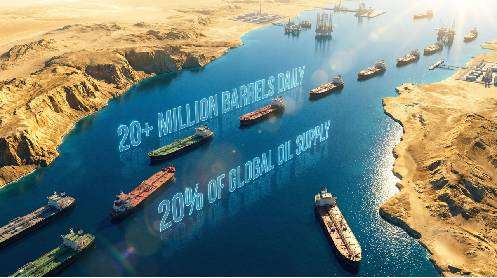
The Strait of Hormuz remains a critical chokepoint for global oil shipments, and such navigational choices underline the complex security and geopolitical dynamics in the region.