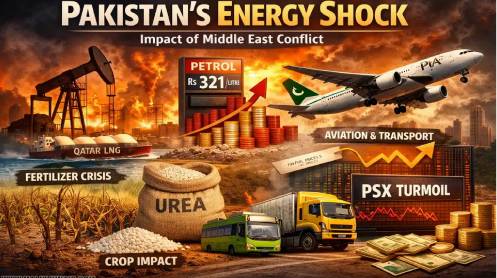
NEW YORK: Oil prices tumbled by around 10 percent on Monday, hitting a one-week low after Donald Trump announced a five-day postponement of potential US military strikes on Iranian power plants, citing constructive diplomatic talks aimed at de-escalating the ongoing Middle East conflict.
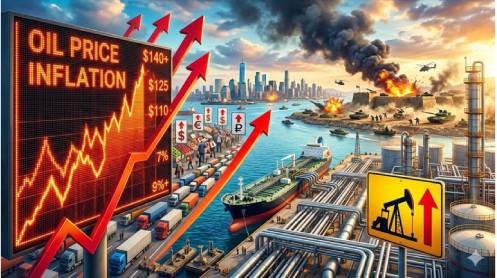
Benchmark Brent crude futures dropped $11.17, or 10 percent, to $101.02 per barrel, while West Texas Intermediate (WTI) fell $9.28, or 9.5 percent, to $88.95. The decline followed weeks of extreme volatility, with Brent recently reaching its highest level since July 2022.
The four-week-long conflict has severely disrupted global energy markets, damaging key Gulf infrastructure and largely halting shipping through the Strait of Hormuz, a route that carries nearly 20 percent of the world’s oil and liquefied natural gas supplies. Although two LPG tankers managed to transit the waterway on Monday, overall traffic remains significantly constrained.
Analysts estimate that between 7 to 10 million barrels per day of Middle Eastern oil production have been impacted. Fatih Birol, head of the International Energy Agency, described the crisis as more severe than the combined oil shocks of the 1970s.
In response to tightening supplies, the US has temporarily eased sanctions on Russian and Iranian oil cargoes already at sea, while Indian and other Asian refiners are considering resuming Iranian crude imports. However, US Energy Secretary Chris Wright indicated that releasing additional oil from the Strategic Petroleum Reserve remains unlikely.
Supply disruptions have extended beyond the Gulf. Russia partially resumed oil loadings at its Ust-Luga port, while Primorsk remains closed following air strikes. In Libya, production at the El Feel oilfield has been halted due to pipeline damage, with output expected to resume within 7 to 10 days.
Meanwhile, central banks are closely monitoring the inflationary impact of the energy shock. US Federal Reserve Governor Stephen Miran noted that it is too early to assess the full effect but signaled support for potential rate cuts to sustain economic growth.
The conflict has also disrupted global air travel, forcing the closure of major Middle Eastern hubs including Dubai, Doha, and Abu Dhabi, stranding thousands of passengers. China has moved to cushion domestic fuel price increases by adjusting its pricing mechanism to limit the burden on consumers.
Despite Monday’s sharp decline, analysts warn that oil markets remain highly volatile, with geopolitical developments continuing to dictate price movements.
By Reuters