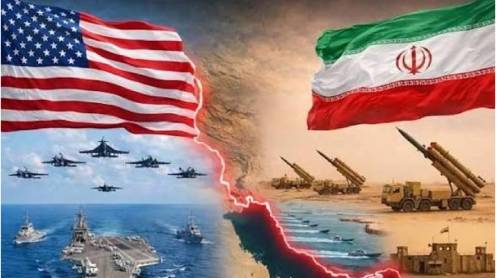
ISLAMABAD: Pakistan has moved into the diplomatic spotlight on the 24th day of the US-Israel conflict with Iran, playing a pivotal role alongside Turkiye and Egypt in facilitating indirect communication between Washington and Tehran, officials said.
The coordinated effort is being credited with helping secure a five-day pause in planned US strikes on Iranian energy and power infrastructure, announced by Donald Trump, who cited “productive conversations” with Iran that could potentially lead to a broader resolution.
According to officials, the backchannel diplomacy involved indirect exchanges between US Special Envoy Steve Witkoff and Iranian Foreign Minister Abbas Araghchi, with Pakistan, Turkiye, and Egypt relaying messages between the two sides. While no direct contact has been confirmed, the engagement is being described as substantive and instrumental in reducing immediate tensions.
Pakistan’s role as a diplomatic intermediary has intensified in recent days, particularly as the conflict threatened critical energy infrastructure and the Strait of Hormuz. Officials say Islamabad has been actively conveying messages between Washington and Tehran, positioning itself as a “net regional stabiliser.”
Prime Minister Shehbaz Sharif, in a call with Iranian President Masoud Pezeshkian, expressed concern over escalating hostilities and stressed the urgent need for dialogue and unity within the Muslim world. He reaffirmed Pakistan’s commitment to facilitating peace and de-escalation.
Deputy Prime Minister and Foreign Minister Ishaq Dar also engaged with his Iranian counterpart, underscoring the importance of diplomacy for regional and global stability.
Despite these developments, Iran has publicly denied any direct or indirect negotiations with the US, maintaining that any resolution must include guarantees against future attacks, reparations, and recognition of its strategic rights, particularly concerning navigation through the Strait of Hormuz.
Reports by international outlets, including the Financial Times and Axios, suggest that Islamabad could potentially host future direct talks between US and Iranian representatives. However, officials in Pakistan, the US, and Iran have not confirmed such plans.
Foreign Office Spokesman Tahir Andrabi stated that Pakistan remains open to facilitating dialogue if requested, reiterating the country’s longstanding position in favor of peaceful resolution through engagement.
Analysts view the evolving backchannel as a significant diplomatic development, highlighting the growing role of regional cooperation in managing global crises and preventing further escalation in an already volatile geopolitical environment.
Story by Baqir Sajjad Syed Syed Irfan Raza in Islamabad also contributed to this report