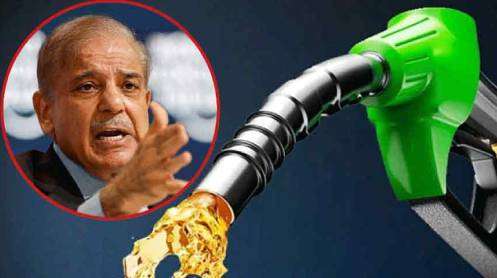
ISLAMABAD: The government is considering unfreezing petrol and diesel prices amid a sharp rise in global fuel costs, while exploring targeted subsidies for vulnerable segments such as two- and three-wheeler users.
Despite keeping petrol and high-speed diesel prices unchanged in recent weeks, authorities have quietly increased rates of jet fuel (JP-1) and kerosene. Official figures show JP-1 prices surged by Rs84 per litre to Rs472, marking a nearly 150% increase since early March, while kerosene rose by Rs71 per litre to Rs429, up 127% over the same period.
The price freeze on petrol and diesel—implemented after an initial Rs55 per litre hike—has cost the government around Rs69 billion in subsidies, with officials indicating that roughly Rs175 per litre on diesel and Rs75 per litre on petrol are currently being absorbed.
Officials warned that maintaining artificially low prices is unsustainable, particularly as ongoing reviews of IMF programmes remain stalled. “Delaying price adjustments only increases future economic pressure,” a senior official noted.
A special cabinet committee, chaired by Muhammad Aurangzeb, reviewed the situation and is now assessing the gap between international and domestic fuel prices to guide timely policy decisions.
The committee also examined proposals to replace broad subsidies with targeted support for lower-income transport users, aiming to ease fiscal pressure while protecting vulnerable groups.
Meanwhile, rising jet fuel prices are already impacting the aviation sector, pushing airfares higher by 20–30%. Increased fuel costs, along with regional airspace disruptions, have led to significant fare hikes on both domestic and international routes.
According to Pakistan International Airlines (PIA), around 325 flights have been cancelled since the onset of the Middle East conflict, with several Gulf routes still suspended. Airlines have introduced fuel surcharges ranging from $10 to $100, while longer alternate routes have further increased travel costs.
Experts warn that continued volatility in global energy markets could further strain Pakistan’s economy, impact exports through higher air cargo charges, and intensify inflationary pressures if fuel prices are fully adjusted.
Story by Khaleeq Kiani I Mohammad Asghar in Rawalpindi and Zulqernain Tahir in Lahore also contributed to this report