KARACHI: Proposed fuel rationing and subsidy measures could significantly intensify Pakistan’s inflationary and macroeconomic challenges, with Price Differential Claims (PDC) projected to surge to Rs100 billion within weeks, according to a report by PRIME Institute.
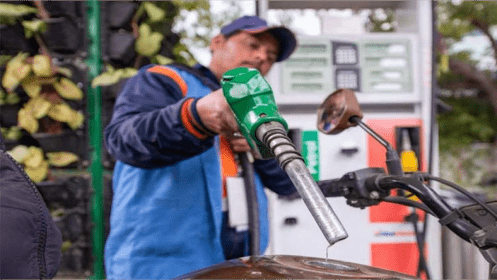
The government is reportedly considering a targeted fuel subsidy framework that would allocate limited quotas to low-income users, including motorcycle and rickshaw owners, while maintaining higher prices for other consumers. While the move aims to curb consumption and manage supply constraints amid the Middle East crisis, experts warn it may create serious economic distortions.
The report cautions that such measures could lead to allocation inefficiencies, governance challenges, and the emergence of informal markets. Although subsidised consumers may benefit from lower fuel prices within assigned quotas, the broader economy—particularly transporters—will face higher effective costs, which are likely to be passed on to goods and services, fuelling inflation.
According to estimates, persistently high global oil prices, exceeding $150 per barrel, could widen Pakistan’s current account deficit by $4.5 billion. The PDC has already jumped from Rs23 billion to Rs48 billion within two weeks, and unchecked subsidies could push it to Rs100 billion in the third week—echoing the 2022 fuel price freeze that contributed to severe economic stress.
Analysts note that rationing mechanisms override market dynamics by allocating fuel based on quotas rather than economic value, leading to inefficiencies and reduced productivity. The proposed system—reliant on mobile applications, CNIC-linked verification, and specialised distribution networks—also raises concerns about administrative complexity, compliance costs, and risks of manipulation and leakage.
Industry stakeholders highlighted practical challenges, including the lack of reliable data on motorcycle ownership and the likelihood that three-wheeler operators will transfer increased fuel costs to consumers.
From a supply-demand perspective, rationing is expected to create excess demand at subsidised rates, resulting in shortages, long queues, and the potential rise of black-market activities. Price gaps between subsidised and market fuels could further encourage arbitrage, rent-seeking, and retail-level collusion, ultimately undermining regulatory effectiveness.
Speaking on the issue, PRIME CEO Dr Ali Salman warned that while initial fuel price adjustments were appropriate, continued absorption of rising costs reflects a shift towards populist policies. He cautioned that such approaches may deliver short-term political gains but risk long-term economic instability.
Experts recommend maintaining market-based pricing mechanisms, supported by targeted taxation to manage consumption. They also stress the importance of exploring alternative supply channels, diversifying the energy mix, and strengthening strategic fuel reserves to enhance resilience against external shocks.
The report underscores the need for a balanced, long-term policy approach to avoid repeating past economic missteps and to ensure sustainable energy security.
Story by Ghazanfar Ali