ISLAMABAD: Maritime activity at Port Qasim Authority has witnessed a notable increase, particularly in petroleum cargo handling, as regional tensions in the Middle East reshape global shipping routes.
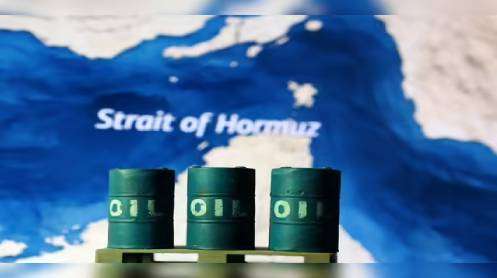
According to official data, the port recorded its highest vessel traffic in March, handling approximately 450,000 tonnes of petroleum products through 17 ships arriving from key international hubs, including Oman, Fujairah, Singapore, Sohar, Yanbu, and Iraq. Despite the ongoing crisis and disruptions in the Strait of Hormuz, Pakistan’s fuel supply via sea has remained stable and uninterrupted.
Officials highlighted that operational efficiency at the port has significantly improved due to the introduction of night navigation for LPG carriers, alongside modernised systems and dedicated terminals. These enhancements have ensured smooth cargo handling without congestion.
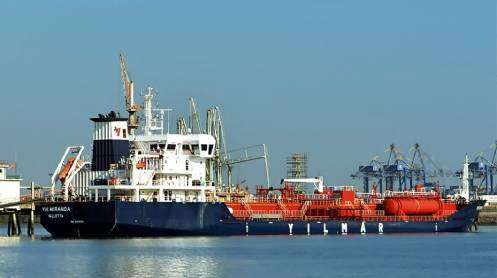
Of the total shipments, 11 vessels transported around 417,000 tonnes of petroleum products, while six LPG carriers handled approximately 33,000 tonnes. In addition, bunkering activities at the port also saw an uptick.
Amid the evolving geopolitical situation in the Persian Gulf, several international shipping lines have rerouted vessels towards Pakistan, contributing to the surge in port activity. Transshipment operations have also gained momentum, with the Qasim International Container Terminal handling 3,485 twenty-foot equivalent units (TEUs) across two vessels.
The increased throughput underscores Pakistan’s growing strategic importance as a regional maritime hub, even as global supply chains continue to adjust to geopolitical uncertainties.
Story by Kalbe Ali