RIYADH: Saudi Arabia has reportedly increased oil flows through its East-West pipeline to full capacity of 7 million barrels per day (bpd), effectively bypassing the strategically vital Strait of Hormuz, according to a Bloomberg News report.
The pipeline, which transports crude from the kingdom’s eastern oil fields to the Red Sea, is playing a critical role in maintaining exports as tensions escalate in the Gulf region.
Crude shipments from Yanbu have surged to around 5 million bpd, with an additional 700,000 to 900,000 bpd of refined oil products also being exported, the report said, citing a source familiar with the matter. However, the figures could not be independently verified, and Saudi Aramco declined to comment.
Earlier this month, Aramco CEO Amin Nasser indicated during an earnings call that the East-West pipeline was expected to reach its maximum capacity as global customers began rerouting supplies to avoid disruptions.
The move comes amid heightened regional tensions following military actions involving the United States and Israel against Iran, which have severely impacted energy markets and global shipping routes.
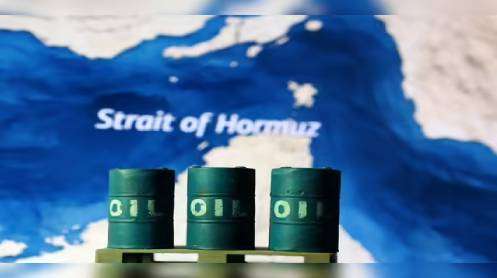
Iran has effectively shut down the Strait of Hormuz—through which nearly one-fifth of the world’s oil and liquefied natural gas supplies pass—triggering sharp volatility in global energy markets and pushing crude oil prices above $100 per barrel.
The disruption has underscored the strategic importance of alternative export routes like Saudi Arabia’s East-West pipeline in ensuring continuity of global oil supplies during geopolitical crises.
By Reuters