The International Monetary Fund (IMF) has cautioned that the ongoing conflict in the Middle East is casting a shadow over the global economy, pushing it toward higher inflation and slower growth.
In a recent blog by its top economists, the IMF highlighted that the war—triggered by U.S. and Israeli strikes on Iran on February 28—has created a widespread but uneven economic shock, tightening global financial conditions just as many economies were beginning to recover from earlier crises.
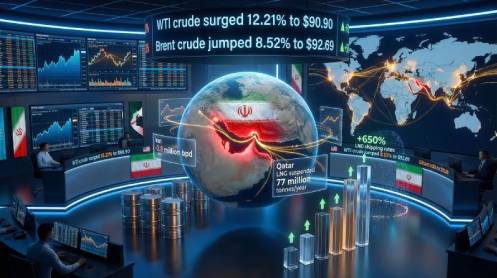
A major concern is Iran’s closure of the Strait of Hormuz, a critical artery for global energy supplies. According to the International Energy Agency, this has led to one of the most significant disruptions ever recorded in global oil markets, compounded by damage to regional infrastructure.
The IMF warned that the duration and escalation of the conflict will determine the severity of its global impact. However, the outlook is already troubling—especially for low-income countries, which face heightened risks of food insecurity due to surging food and fertiliser prices. These nations may require increased external support, even as many advanced economies scale back international aid.
“Although the war could shape the global economy in different ways, all roads lead to higher prices and slower growth,” IMF economists noted.
Persistently high energy and food prices are expected to fuel global inflation. Historically, sustained spikes in oil prices have led to rising inflation and reduced economic growth. The IMF also warned that prolonged inflation expectations could trigger wage increases and further price hikes, complicating efforts to stabilise economies without causing deeper slowdowns.
The IMF is expected to provide a more comprehensive analysis in its upcoming World Economic Outlook, scheduled for release on April 14 during the Spring Meetings in Washington.
By Reuters