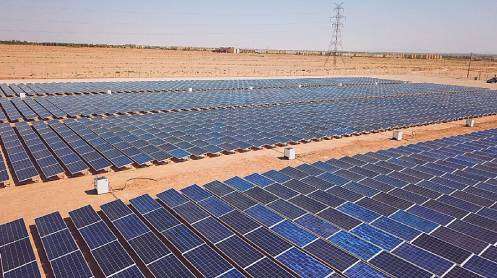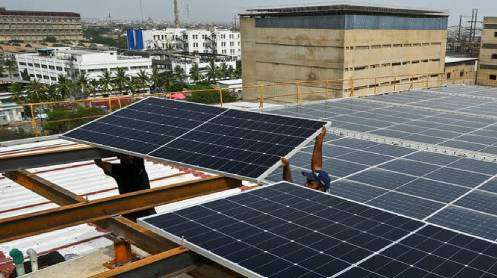
ISLAMABAD: Pakistan’s rapid expansion of rooftop solar has delivered a significant economic boost, saving an estimated $12 billion in liquefied natural gas (LNG) imports in recent years, according to a report by UK-based energy think tank Ember.
The report highlights a sharp surge in solar generation, which jumped from 7.7 terawatt-hours (TWh) in 2022 to 36.6 TWh in 2025—an average annual growth rate of around 68%. Solar power now stands alongside hydropower and gas as one of Pakistan’s largest sources of electricity generation.
As solar adoption accelerated, gas-based generation declined by approximately 9%, while coal usage remained largely stable. Overall demand for fossil fuels has dropped by at least 37%, with actual reductions likely higher due to unrecorded declines in diesel-based, behind-the-meter generation.
Ember noted that without this solar expansion, gas-fired power generation could have risen by 15%, significantly increasing reliance on costly LNG imports. Instead, solar deployment has helped ease pressure on foreign exchange reserves amid volatile global energy prices.
The report attributes this rapid uptake to rising electricity tariffs linked to IMF-backed reforms, which encouraged consumers to shift towards rooftop solar. Supportive net metering policies and the availability of affordable Chinese solar panels further accelerated installations across the country.
However, the shift also presents challenges. Reduced reliance on grid electricity may increase tariffs for remaining consumers, as fixed system costs are distributed across a smaller user base. The report emphasised the need for a financially sustainable grid, especially in the absence of widespread battery storage solutions.
Meanwhile, Awais Leghari noted that around 55% of Pakistan’s electricity currently comes from clean energy sources, with a target to exceed 90% by 2034. He added that approximately 74% of power generation is now based on indigenous resources, a figure the government aims to raise beyond 96% over the same period.
The findings underline solar energy’s growing role in strengthening Pakistan’s energy security, reducing import dependence, and supporting the transition toward a more sustainable power sector.
Story by Ali Ahmed