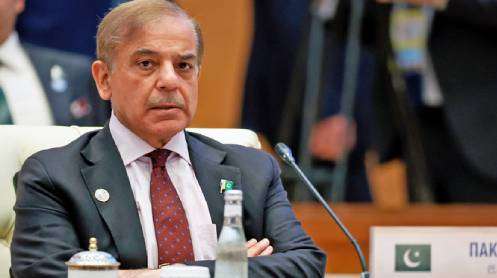
ISLAMABAD: Prime Minister Shehbaz Sharif has rejected a proposed new oil pricing formula, siding with industry concerns that warned of a potential fuel crisis if the revised framework were implemented.
The proposal, put forward by former petroleum minister Musadik Malik—now serving as Minister for Climate Change—was based on an oil inventory cost mechanism. However, it faced strong resistance from the oil industry, which flagged serious risks to supply stability and financial viability.
According to sources, the prime minister, during a high-level meeting, directed Musadik Malik not to interfere in petroleum affairs and asked him to allow current Petroleum Minister Ali Pervaiz Malik to manage the sector independently. Officials noted that the incumbent minister has been handling the situation effectively, especially amid disruptions in global oil supply following tensions around the Strait of Hormuz.
The Oil Companies Advisory Council (OCAC) had earlier conveyed its reservations to the Petroleum Division, stating that the proposed pricing mechanism—based on a four-week Platts average—lacked clarity and could destabilize the market. The current system, driven by premiums of Pakistan State Oil and import dynamics of oil marketing companies (OMCs), has been described by the industry as transparent and time-tested.
The Oil and Gas Regulatory Authority presented the revised formula, but industry stakeholders warned it could trigger product imbalances, disrupt refinery offtakes, and strain cash flows—especially given rising global oil prices and existing financial pressures.
In a letter to the Petroleum Division, PSO CEO Abdus Sami highlighted that while the proposal may offer theoretical benefits, its practical implementation could lead to supply chain disruptions, liquidity constraints, and increased financial risks. He cautioned that OMCs might hesitate to procure new supplies under uncertain policies, potentially impacting fuel availability nationwide.
The proposal also suggested that PSO undertake imports on behalf of the industry—a move the company warned could concentrate risk within a single entity and create inefficiencies. Each oil cargo currently costs around $120 million, and additional credit lines would be required to sustain procurement.
Industry representatives emphasized that abrupt policy changes during a period of global volatility—similar to the Russia-Ukraine War energy crisis—could undermine supply chain confidence and delay investments in infrastructure.
Reiterating its stance, the OCAC urged the government to retain the existing pricing mechanism, at least until market conditions stabilize. The prime minister’s decision to reject the proposal appears to align with this recommendation, aiming to ensure continuity and avoid disruption in the country’s fuel supply system.
Story by Zafar Bhutta