RIYADH: Saudi Arabia has successfully restored full pumping capacity on its critical East–West crude pipeline, reaching approximately 7 million barrels per day (b/d), following recent disruptions caused by regional attacks, the Kingdom’s energy ministry confirmed on Sunday.
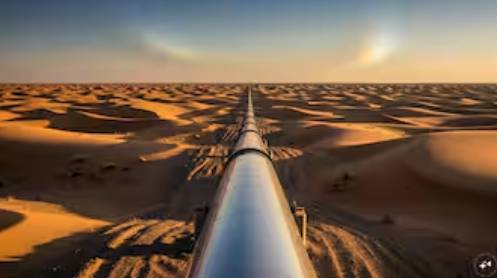
The pipeline—linking eastern oil fields to the Red Sea export terminal at Yanbu—had seen its capacity reduced by around 700,000 b/d after a strike targeted one of its pumping stations. Swift repair efforts have now brought operations back to full capacity within a short timeframe.
In parallel, Saudi authorities also restored approximately 300,000 b/d of lost production capacity at the offshore Manifa oil field, further stabilizing the Kingdom’s output following the attacks.
However, recovery work continues at the Khurais oil field, where production capacity remains partially constrained by an estimated 300,000 b/d. The energy ministry stated that full restoration at Khurais will be announced upon completion of ongoing repairs.
Earlier, on April 9, Saudi Arabia confirmed that multiple energy assets—including the East–West pipeline, key oil fields, refineries, and port infrastructure—had sustained damage in attacks attributed to Iran. While the exact timing was not disclosed, reports suggest most incidents occurred after the announcement of a temporary ceasefire between the United States and Iran on April 7.
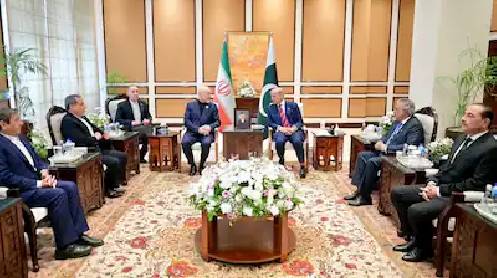
Despite the ceasefire remaining in effect, recent negotiations in Pakistan failed to produce a lasting agreement, keeping geopolitical tensions elevated.
The East–West pipeline has taken on heightened strategic importance in recent weeks, serving as Saudi Arabia’s primary export route as flows through the Strait of Hormuz remain constrained. The pipeline had already been operating at full capacity since late March to offset disruptions in Gulf shipping routes.
The swift restoration of both pipeline throughput and upstream production underscores Saudi Arabia’s resilience in maintaining supply stability amid escalating regional uncertainties.