
KARACHI: The Sindh Energy Department has defended its performance in response to recent criticism, attributing the slow expansion of renewable energy across provinces to faulty planning at the federal level.
Thank you for reading this post, don't forget to subscribe!A handout issued by the department highlights systemic barriers imposed by the *single-buyer model, under which the *Central Power Purchasing Agency (CPPA) controls electricity procurement. This structure prevents Sindh from independently selling power from its renewable projects, restricting its ability to develop large-scale grid-connected initiatives.
Sindh’s Renewable Energy Initiatives
Despite federal constraints, Sindh leads the nation in renewable energy production and resource utilisation. Key initiatives include:
- *Solar Energy for Low-Income Consumers: The province has launched *free solar energy provision for consumers using up to 300 units of electricity.
- Public Infrastructure Solarisation:
- 28 MW of solar power is running *45 public sector buildings, including *district hospitals.
- 656 schools and 211 rural health centers have been solarised.
- 310 additional public buildings, including libraries and autism centers, are being solarised this year.
- Home Solar System Kits:
- 200,000 kits (including batteries, charge controllers, DC fans, and LED lights) have been procured, with 100,000 already delivered.
- 250,000 more kits are being procured under the *provincial development budget, benefiting *over 1.2 million people.
- *Wind & Solar Hybrid Projects: Sindh is the first province to develop *hybrid energy projects (wind and solar) with battery storage technology at the lowest costs.
Sindh’s Role in National Energy Security
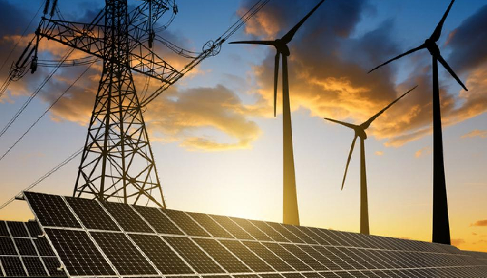
- *Largest Wind Energy Producer: Sindh accounts for *over 75% of Pakistan’s total wind energy generation.
- *Thar Coal Development: The province has successfully developed **Thar Coal Block-I & II, generating *2,640 MW of power. Additional coal transport infrastructure is under construction to expand output.
- *Gas & Oil Production: Sindh produces *50% of Pakistan’s gas and a *significant share of oil, ensuring a major contribution to the *national energy mix.
- *Cheapest Electricity Tariff: Through **international competitive bidding, Sindh achieved *Pakistan’s lowest tariff (3.4 cents/kWh) for Karachi-based solar projects.
Private Sector Investments & Future Projects
Sindh is actively attracting private investments for green energy projects, including:
- 50 MW Waste-to-Energy project in Karachi.
- 500 MW Green Hydrogen project in Jhimpir.
- 500 MW Floating Solar project at Keenjhar Lake.
- 4 MW Floating Solar project at Hyderabad Water Filtration Plant.
- 350 MW Solar-Wind Hybrid project for Korangi Industrial Area (Karachi).
- 75 MW Solar-Wind Hybrid project for Kotri Industrial Area (Hyderabad).
Federal Barriers & Call for Policy Reforms
The Sindh Energy Department argues that energy governance issues stem from *federal policies, particularly the **centralised electricity procurement system, which limits **provincial autonomy. It stresses that Sindh should not be blamed for the **energy crisis, which it attributes to *imported fuel dependency encouraged by federal policies.
The department reiterates Sindh’s commitment to *renewable energy, socio-economic development, and energy security, ensuring a *sustainable future for Pakistan