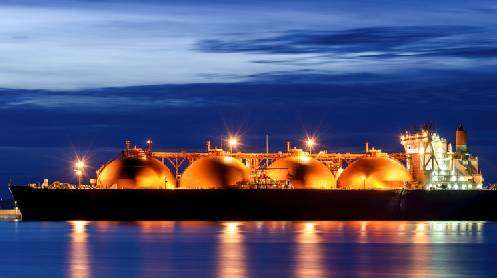
ISLAMABAD: Pakistan has secured more than Rs1,000 billion in projected savings for 2026 by diverting 24 liquefied natural gas (LNG) cargoes under a new arrangement with Qatar, according to government officials. The move comes as part of broader energy-sector reforms, including efforts to address the staggering Rs2.6 trillion circular debt in the gas sector.
Officials confirmed that the two countries agreed to redirect next year’s LNG shipments due to weak domestic demand, eliminating the need for government subsidies for lifeline gas consumers. Under the net proceeds differential formula, Pakistan will benefit from higher global prices but will absorb losses if Qatar sells the diverted LNG below contracted rates—costs that Ogra will allow utilities to recover from LNG consumers.
Earlier, the ECC had approved Pakistan State Oil (PSO) to negotiate diversion of the 24 cargoes. Pakistan currently receives nine monthly shipments from Qatar under two long-term supply agreements, while Eni supplies one additional cargo per month.
The government says administrative reforms and policy stability have attracted interest from major foreign state-owned companies, including those from Turkiye and Azerbaijan. These measures have helped settle key outstanding invoices, including Rs82 billion paid to Oil and Gas Development Company (OGDC), curtailing circular debt accumulation.
Azerbaijan’s SOCAR is expected to send a technical team this month for upstream exploration discussions spanning onshore and offshore opportunities. Meanwhile, Turkey’s state oil firm is pursuing joint ventures, leading seismic and drilling efforts in Indus Block-C alongside OGDC, PPL and Mari Energies.
Progress on the multibillion-dollar Reko Diq copper and gold project also remains on track, with financing secured on a 50:50 equity-to-debt model—the largest funding package for any mining venture in Pakistan. Once operational, Reko Diq is expected to generate $1.5–2 billion annually.
Additionally, Pakistan is accelerating shale gas exploration, with horizontal fracking scheduled for early 2026 and technical support from Schlumberger and Baker Hughes. An extensive tight gas monetisation strategy is already underway, reflecting the government’s push to restore investor confidence and secure long-term energy sustainability.
Story by Zafar Bhutta