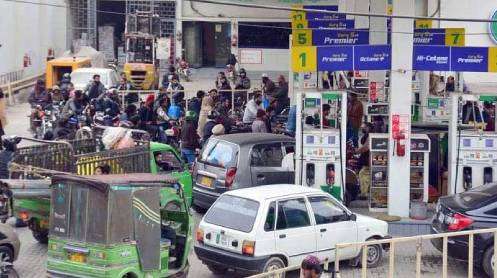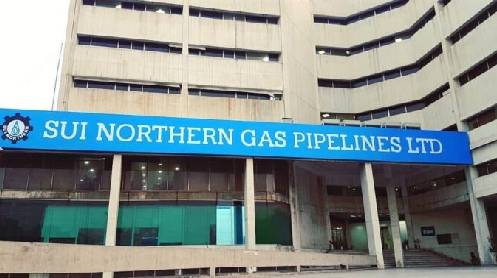
Sui Northern Gas Pipelines Limited (SNGPL) has issued a revised winter gas load-shedding schedule for Punjab and Khyber-Pakhtunkhwa to manage rising domestic demand from December to February. Under the new plan, residential consumers will receive gas in three fixed intervals: 5:30 am to 8:30 am, 11:30 am to 1:00 pm, and 5:30 pm to 8:30 pm. Households have been advised to plan cooking and daily activities around these allotted timings.
Officials clarified that industrial consumers will remain exempt from load shedding. The schedule aims to maintain equitable supply as winter demand surges and pressure on the network intensifies.
Meanwhile, the issue of unannounced power and gas outages dominated a Senate session on Friday. Lawmakers voiced strong concerns over continued shortages, with several senators criticising the government for failing to ensure uninterrupted supply despite adequate production.
Senator Manzoor Kakar condemned the persistent outages, attributing them to widespread electricity theft and mismanagement. He noted that despite producing gas, residents of Balochistan suffer severe shortages and face high travel costs.
Senators Zamir Hussain Ghumro and others echoed similar concerns, highlighting that both Sindh and Balochistan produce gas yet continue to experience winter shortages, impacting households and industries alike. Questions were also raised over decisions such as relocating PPL’s head office from Karachi to Islamabad.
The session saw procedural disruptions, heated exchanges, and protests over quorum issues. Amid the commotion, Bilal Badar Chaudhry took oath as a Senate member, prompting objections and slogans from the gallery.
Senator Masroor Ahsan also criticised the government over widespread unannounced electricity load-shedding, urging authorities to recover massive unpaid dues—exceeding Rs1.75 trillion—from federal institutions instead of burdening the public.
Lawmakers called for urgent measures to provide relief to citizens during the harsh winter months.