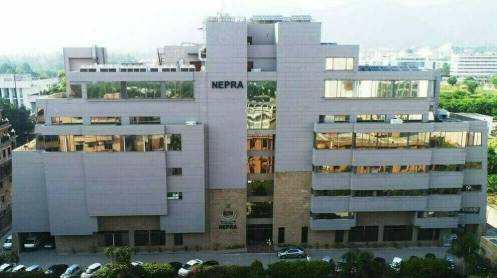
ISLAMABAD: The National Electric Power Regulatory Authority (Nepra) has approved a 33-paisa per unit increase in the national uniform electricity tariff for three months (December–February), while simultaneously allowing discounted incremental rates for industrial and agricultural consumers.
The regulator’s decision comes with a sharply worded additional note highlighting pervasive inefficiencies, theft, mismanagement, and the underutilisation of cheaper power plants—costs that Nepra warned should not be passed on to consumers.
33-Paisa Quarterly Tariff Adjustment
Nepra approved a positive Quarterly Tariff Adjustment (QTA) of Rs6.067 billion for the first quarter of FY26.
The increase applies to all consumer categories across the country—including K-Electric—except lifeline and prepaid consumers.
The higher charges will be applied for three months starting December 2025.
Discounted Rates for Industry & Agriculture
In a separate determination, Nepra allowed the Power Division to apply reduced incremental consumption rates for industrial and agricultural users of ex-Wapda Discos and K-Electric.
Under this package:
- Incremental rate: Rs22.98 per unit (marginal cost of supply)
- Applicable on additional consumption above the corresponding period
- Covers both ToU and Non-ToU categories
- Applies to both peak and off-peak usage
- Revised from the existing industrial rate (Rs34/unit) and agricultural rate (Rs38/unit)
The package will remain in effect for three years, based on monthly consumption.
Reference months: December 2023 – November 2024
For eligible consumers:
- Positive FCAs will apply
- QTAs, DSS, and negative FCAs will not apply
- The package remains subsidy-neutral
Nepra Member’s Scathing Note on Inefficiencies
In a strongly worded additional note, Nepra Member (Technical) Rafique A. Shaikh—who completed his term with this decision—criticised the persistent inefficiencies and rising costs burdening consumers.
He warned that pushing these inefficiency-driven expenses onto the public could lead to:
- Industrial slowdown
- Lower GDP growth
- Higher unemployment
- Pressure on the current account
- Weaker socio-economic activity
- Declining quality of life
Shaikh stressed that entities responsible for mismanagement should bear the financial burden themselves, rather than transferring it to consumers.
He also noted that:
- QTAs largely reflect increases in the Power Purchase Price (PPP)
- T&D losses continue to inflate costs
- Thermal plants under ‘take-or-pay’ contracts are operating at low plant factors, adding unnecessary capacity payments
A Sector Under Stress
Nepra’s determinations underscore the structural challenges plaguing Pakistan’s power sector—where chronic inefficiencies, expensive capacity payments, and poor governance continue to undermine affordability for consumers and competitiveness for industry.
Story by Khaleeq Kiani