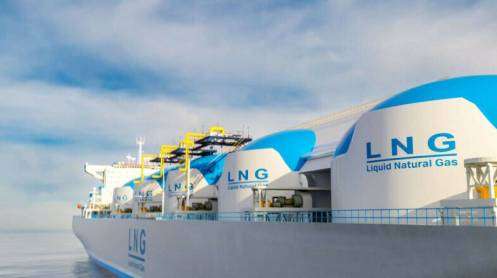
WASHINGTON: The United States has extended a waiver permitting oil sales from Russia’s Sakhalin-2 energy project until June 18 next year, a move that is expected to allow continued production and export of liquefied natural gas (LNG) from the project.
The general license, issued on Wednesday by the US Treasury Department, provides an exemption from sanctions imposed on Sakhalin-2 in 2022 following Russia’s full-scale invasion of Ukraine. The waiver is particularly significant for Japan, a key US ally, which sources around 9% of its LNG imports from Russia.
Japan relies on imported fuels for nearly 70% of its energy needs and has repeatedly raised concerns about energy security with the United States and its Group of Seven (G7) partners. Chief Cabinet Secretary Minoru Kihara said Tokyo has clearly communicated its position to allies, stressing the importance of stable LNG supplies.
“Securing LNG from overseas, including the Sakhalin-2 project, is extremely important for Japan’s energy security, and we will continue to work closely with the United States and the international community to ensure that Japan’s LNG supply is not disrupted,” Kihara said.
In addition to Sakhalin-2, the Treasury Department also extended through June 18 a separate waiver allowing transactions involving Russian banks, including Gazprombank, related to civil nuclear power.
The decision comes despite pressure from the administration of US President Donald Trump on major Asian economies, including China, India and Japan, to reduce their purchases of Russian oil and LNG.
According to sources cited by Reuters, Japanese Prime Minister Sanae Takaichi told President Trump during a meeting in Tokyo in October that banning Russian LNG imports would be difficult. She reportedly warned that if Japan halted its purchases, the move would ultimately benefit China and Russia.
Sakhalin-2, in which Japan’s Mitsui and Mitsubishi are shareholders, is expected to continue supplying LNG under existing contracts, most of which are scheduled to expire between 2028 and 2033.
By Reuters