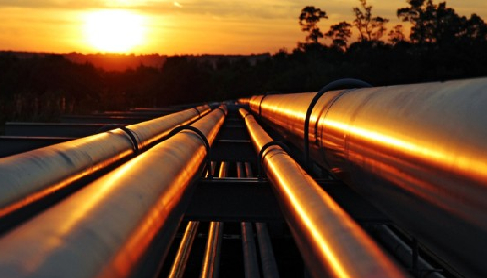
ISLAMABAD: Pakistan has informed Iran of its intention to shelve the long-delayed Iran–Pakistan (IP) gas pipeline project through an out-of-court settlement, while keeping the option open to revive the project if a waiver from United States sanctions can be secured, sources said on Monday.
The IP gas pipeline has remained stalled since 2014 due to US sanctions on Iran, despite Tehran granting Pakistan extensions of more than a decade to meet its contractual obligations. Iran has also initiated legal proceedings against Pakistan for failing to execute the project within the agreed timeframe.
Sources said Iran has agreed to extend the gas sale agreement by another 10 years in an attempt to revive the project. Pakistan, however, has conveyed that it would only consider implementation if a US sanctions waiver is obtained, along with reduced gas volumes and more competitive pricing.
“Pakistan wants the agreement extended, but only if the United States grants a sanctions waiver, and if Iran agrees to lower prices and reduced volumes,” a source familiar with the discussions told The Express Tribune. Both sides have been engaged in quiet diplomacy, with the matter also raised during meetings with visiting high-level dignitaries in Islamabad.
Officials said Pakistan has already conveyed its desire to scrap the project due to continued US pressure and changing domestic energy dynamics. The country is currently facing lower gas demand, while Qatar is scheduled to supply 24 LNG cargoes in 2026.
“At present, Pakistan does not require additional gas due to weak demand,” an official said, adding that gas under the IP project is more expensive than imported LNG. “Pakistan is also under sustained pressure from the United States over the pipeline.”
Pakistan had earlier sought a sanctions waiver from Washington, which was declined. A former US State Department spokesperson, Matthew Miller, had reiterated that sanctions against Iran would continue to be enforced, warning that entities engaging in business with Iran could face serious consequences.
Iran maintains that it has completed construction of its side of the pipeline, while Pakistan has yet to begin work. Although Tehran remains willing to extend the gas sale agreement, Islamabad is reluctant to proceed in view of sanctions and surplus gas availability.
Over the years, Pakistan explored alternative options, including a proposal to build an LNG pipeline to Gwadar with an extension to the Iranian border. A Chinese firm had also shown interest in constructing the pipeline, but the plan was abandoned due to sanctions-related risks.
Currently, Pakistan relies primarily on LNG imports from Qatar, mainly for the power sector. However, the power sector has been unable to absorb the full contracted LNG volumes, resulting in a gas surplus.
To address this issue, the government has introduced incentives under an incremental electricity supply package to provide cheaper power to agriculture and industry over the next three years, enabling greater LNG utilisation. Additionally, the government has lifted a decade-long ban on new domestic and commercial gas connections, with new consumers to receive gas at LNG-linked prices to boost consumption and manage surplus supplies.
Story by Zafar Bhutta