ISLAMABAD: Rapidly rising electricity and gas bills have become the single biggest strain on Pakistani household budgets, forcing families to reduce spending on food to cope with escalating utility costs, according to a new analysis by Gallup Pakistan.
The report, titled “Are Pakistanis Eating Less to Afford Electricity and Gas?”, was released on Tuesday and draws on a 20-year comparison of household consumption patterns using data from the government’s Household Integrated Economic Survey (HIES).
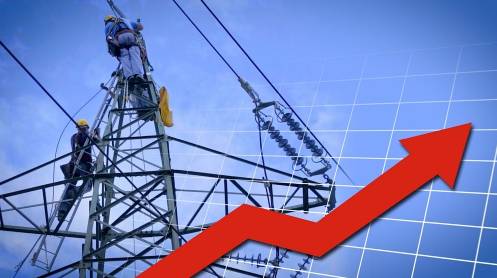
The findings point to a major structural shift in household spending. Between 2005 and 2025, the share of the average household budget allocated to housing and utilities jumped from 15 percent to 25 percent, marking the largest increase across all major consumption categories. Analysts note that these costs are largely fixed and policy-driven, shaped by administered prices and energy tariffs rather than household choice.
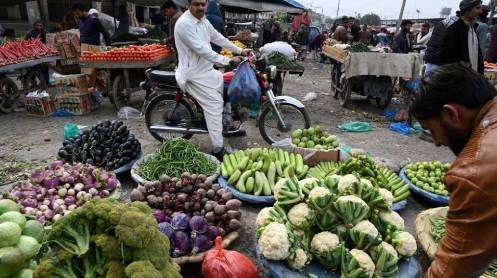
As utility expenses have consumed a growing share of income, spending on food has fallen from 43 percent to 37 percent. Gallup Pakistan stresses that this decline does not reflect improved affordability or lower food prices, but rather a “structural squeeze” in which families with stagnant real incomes are cutting back on both the quantity and quality of their diets simply to meet power and gas bills.
The impact is already visible in consumption patterns. Recent data show a decline in per capita intake of key staples such as wheat, milk and meat, raising alarm over potential long-term undernourishment, particularly among women and children.
Meanwhile, other critical areas of household investment have been crowded out. Spending on education and health has remained stagnant at just 3 percent each, indicating that rising living costs are limiting families’ ability to invest in human capital and overall well-being.
The report concludes that Pakistan’s cost-of-living crisis is no longer driven solely by income constraints, but increasingly by energy pricing and taxation policies that are reshaping basic household priorities. Without a recalibration of energy policy and stronger social protection measures, Gallup warns, the trend could have serious consequences for national welfare and long-term nutritional health.
Story by Kasim Abbasi