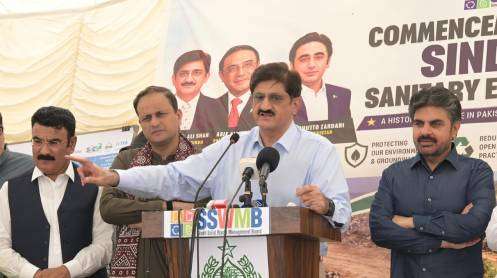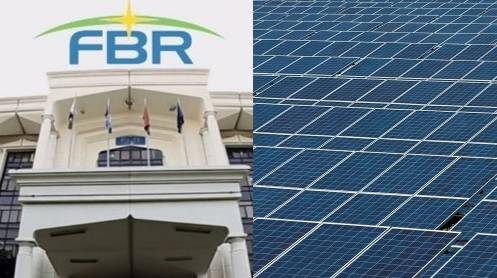
Islamabad: The Federal Board of Revenue (FBR) has flagged large-scale under-invoicing, tax evasion and suspected trade-based money laundering in the import of solar home system kits under the Sindh Solar Energy Project (SSEP), revelations that triggered strong concern in a Senate standing committee.
Thank you for reading this post, don't forget to subscribe!According to selected operational findings of a report presented by the FBR to the Senate Standing Committee on Economic Affairs, solar kits were declared for tax purposes at $16 to $23.4 per unit, while the World Bank paid up to $112.44 per unit for the same equipment under the SSEP—indicating a discrepancy of nearly 700 per cent. The difference, amounting to $89–$96 per unit, has raised red flags over tax evasion, fund layering, foreign exchange violations and trade-based money laundering.
The report revealed that M/s Beyond Green, Karachi, imported 200,968 solar home system kits in 10 consignments between December 2024 and July 2025 through clearing agent M/s Vista Impex. The consignments were declared under HS Codes 8501.7210 and 8501.711, attracting zero customs duty, 18 per cent sales tax and 3 per cent additional sales tax, with no income tax. Four consignments were cleared through the Green Channel.
However, subsequent verification found that the goods declarations submitted to the Sindh government were fake or tampered with, a fact officially communicated on October 9, 2025. Investigations further showed that the same solar kits were supplied to the Sindh government at substantially higher prices.
Official contracts under the SSEP with M/s Shenzhen LEMI Technology Development Co Ltd, China, indicated a contractual price of about $112.44 per kit, excluding duties and taxes. The World Bank reportedly paid this amount directly to the supplier. For taxation purposes, the transactional value was reassessed at $103.08 per unit, leading to the issuance of 10 contraventions forwarded to customs adjudication authorities. Show-cause notices have been issued and the case is pending adjudication.
The committee was also informed that fake invoices worth $12.5 million were generated, while evidence pointed to third-party remittances routed through UAE-based entities, intensifying concerns of money laundering and foreign exchange violations. The case has been referred for proceedings under the Anti-Money Laundering Act, 2010, and a comprehensive sales tax audit has been recommended.
It was disclosed that the SSEP implementation period ended on July 31, 2025, but around 30,000 solar kits out of 200,000 could not be distributed within the stipulated timeframe and will now be managed under a separate arrangement.
Following the identification of discrepancies, the Sindh cabinet on December 1, 2025, referred the matter to the Enquiries and Anti-Corruption Establishment (EACE). A forensic audit is underway, while the National Accountability Bureau (NAB) has also taken cognisance of the case and initiated investigations.
Committee Chairman Saifullah Abro questioned whether any officials had been suspended and was informed that no suspensions had occurred so far. He directed that a letter be written to the Chief Minister Sindh to ensure accountability of all those involved.
The meeting also witnessed sharp criticism over the continued absence of the Minister for Economic Affairs, Ahad Khan Cheema, and senior bureaucrats. Senators termed the absence a serious disregard for parliamentary oversight. An explanation that the minister was attending the World Economic Forum in Davos failed to satisfy members, with PPP Senator Waqar Mehdi remarking that he did not recall the minister ever attending a committee meeting.
Chairman Abro reminded the committee that parliamentary rules allow cancellation of membership in case of repeated absence without notice, directing that a strong message be conveyed to the minister over his non-attendance.
During the session, agenda items related to Khyber Pakhtunkhwa were postponed after it emerged that junior officers had been deputed to represent the province. The committee decided to formally write to the KP Chief Secretary, warning that failure of provincial secretaries to attend future meetings would result in the matter being referred to the Privileges Committee.
Story by Khaleeq Kiani