

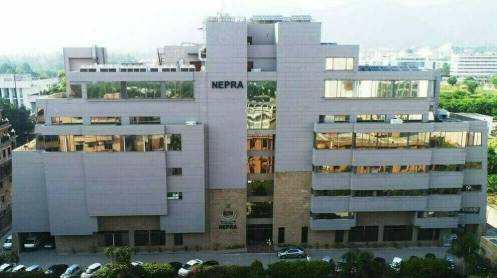
ISLAMABAD: Ill-planned surplus generation capacity, low plant utilisation, high fixed costs and inefficient dispatch have become a structural cause of elevated consumer-end electricity tariffs in Pakistan, according to the Annual Report on the Performance of Power Plants FY2024-25 released by the National Electric Power Regulatory Authority (Nepra).
The regulator noted that the sector’s high fixed costs, combined with underutilised generation assets and inefficient dispatch practices, have resulted in higher electricity prices and growing financial stress on both the power system and the federal budget.
The report stressed that expanding generation capacity without rigorous financial and economic evaluation has led to underused assets and rising electricity costs. It called for a balanced strategy that carefully weighs long-term financial factors — including Capacity Purchase Price (CPP), Energy Purchase Price (EPP), and grid stability — to ensure generation capacity aligns with actual demand.
Underutilisation and Rising Costs
During FY2024-25, thermal power plants operated at just 42.5 percent of installed capacity, while renewable energy plants recorded average utilisation of 36.6 percent. This underutilisation, coupled with excess capacity, significantly increased per-unit electricity costs, largely due to higher capacity payments.
Total power purchase cost during the fiscal year — excluding electricity imported from Iran — stood at Rs2.943 trillion. Of this, 61 percent comprised capacity payments (CPP) and 39 percent energy payments (EPP). The average CPP was Rs14.3 per kilowatt-hour (kWh), while EPP averaged Rs9 per kWh.
Nepra observed that elevated CPP was mainly driven by surplus capacity and low utilisation, whereas EPP was inflated due to reliance on costly imported fuels such as RLNG, furnace oil and imported coal.
Indigenous Plants Underused
Conversely, plants operating on indigenous fuels — including nuclear, Thar coal and local gas — offer comparatively lower generation costs but remain underutilised.
The Uch Power and Uch-II plants, operating on dedicated local gas fields, generated electricity at approximately Rs13.4 per kWh during FY2024-25. Despite high availability factors of over 92 percent, their utilisation remained modest at 80.9 percent and 71.6 percent respectively. Although ranked among the most economical plants in the national merit order, limited dispatch has reduced potential system-wide cost savings.
The report also cautioned that depletion of the Uch Gas Field could threaten long-term sustainability, underscoring the need for proactive fuel management to maintain low-cost generation.
Similarly, Thar coal-based plants — another cost-effective indigenous source — operated at an average utilisation factor of 72.9 percent. Their underutilisation led to greater reliance on expensive imported-fuel plants, increasing consumer tariffs through monthly fuel price adjustments.
Rail Delays Impact Coal Transition
The transition of Lucky Electric Power Company Limited (LEPCL) from imported to indigenous Thar coal hinges on timely completion of the Thar Rail Link Connectivity Project being executed by Pakistan Railways.
While Segment-I connecting the Thar coalfield to the main railway network is expected to be completed by mid-2026, Segment-II — including the branch line and coal unloading facility at Port Qasim — has yet to enter construction. LEPCL has warned that delays in Segment-II could hamper the transport of 10–12 kilotonnes of Thar coal per day, forcing continued reliance on imported coal and undermining investment efficiency.
Transmission Bottlenecks, Outages Add Pressure
Transmission constraints have further restricted dispatch of cheaper southern-based generation to northern demand centres, increasing dependence on imported fuel-based plants.
Prolonged outages at the Neelum Jhelum Hydropower Plant and the Guddu 747MW unit also weakened cost efficiency. Renewable projects faced curtailments due to intermittency and evacuation limitations, resulting in non-project missed volume payments exceeding Rs13 billion.
Additionally, varying load patterns and intermittent renewable output forced thermal plants to operate at partial loads, incurring Rs44.6 billion in partial load adjustment costs during the fiscal year.
K-Electric and Grid Dynamics
Nepra confirmed the technical feasibility of drawing up to 2,000MW from the national grid under existing infrastructure. However, operational and commercial arrangements of K-Electric — including its take-or-pay RLNG gas supply agreement for Bin Qasim Power Station-III — continue to shape its generation mix and grid drawl patterns.
Path to Sustainability
To ensure long-term sustainability, Nepra emphasised:
- Aligning future capacity additions with actual demand projections
- Prioritising indigenous, low-cost fuels
- Accelerating transmission upgrades to remove regional bottlenecks
- Restoring non-operational low-cost plants
- Carefully evaluating the economic impact of new generation projects
The regulator concluded that a balanced generation mix and improved system efficiency are critical to lowering electricity costs, enhancing reliability, and building a financially sustainable and resilient power sector in Pakistan.
Story by Khaleeq Kiani





