Pakistan is expecting three petroleum shipments to arrive on Monday as the government steps up efforts to stabilize fuel supplies amid rising global oil prices and escalating tensions in the Middle East.
Federal Minister for Petroleum Ali Pervaiz Malik informed a high-level briefing on Sunday that the shipments would help maintain the country’s fuel reserves during the ongoing crisis. The meeting was convened to review the energy situation and assess the impact of the widening conflict in the Middle East on global oil markets and Pakistan’s petroleum supplies.
The meeting was attended by Finance Minister Muhammad Aurangzeb and Sindh Chief Minister Murad Ali Shah, along with senior officials from the petroleum sector. It came a day after Prime Minister Shehbaz Sharif directed the finance and petroleum ministries to coordinate with provincial governments to ensure uninterrupted fuel supply and adopt conservation strategies amid concerns of potential shortages triggered by the Israel-Iran conflict.
According to a statement issued by the Sindh Chief Minister House, the federal delegation briefed the provincial leadership on recent petroleum price increases and the country’s current fuel reserves. Finance Minister Aurangzeb warned that Pakistan’s monthly oil import bill could increase by around $600 million due to the ongoing crisis. He added that crude oil prices could surge to as high as $120 per barrel if the conflict intensifies further.
The government is also exploring alternative supply routes to reduce reliance on the Strait of Hormuz, through which a significant portion of Pakistan’s oil imports pass. Diplomatic engagements are underway with Saudi Arabia, Oman, and the United Arab Emirates to secure alternative fuel supplies.
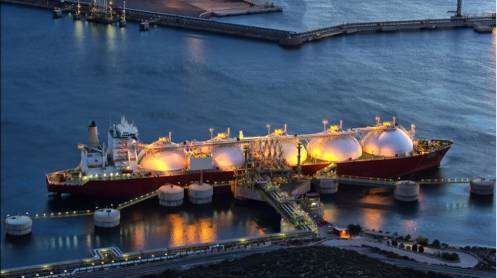
Petroleum Minister Malik also warned that liquefied natural gas (LNG) supplies could face disruptions after Qatar declared force majeure on certain shipments. He stressed the importance of adopting fuel conservation measures to ensure that existing reserves last longer. The government is also considering approaching the International Monetary Fund (IMF) for relief on the petroleum levy to ease financial pressure.
Both federal and provincial authorities agreed to strengthen coordination to prevent hoarding and artificial shortages at petrol pumps. Finance Minister Aurangzeb informed the meeting that a joint monitoring dashboard was being developed to track fuel reserves and supply levels across the country.
Sindh Chief Minister Murad Ali Shah assured that all proposals discussed during the meeting would be presented to the provincial cabinet for further consideration. He emphasized the need for responsible energy use and public cooperation to maintain economic stability.
Meanwhile, Punjab Chief Minister Maryam Nawaz also held a separate review meeting on Sunday to assess the supply, demand, and reserves of petroleum products in the province. The meeting agreed to adopt a conservation policy aimed at maintaining a balance between fuel demand and supply while ensuring sufficient diesel availability for agricultural activities.
Maryam Nawaz directed authorities to strictly enforce official fuel prices and prevent overcharging at petrol pumps. She also instructed district administrations to closely monitor petroleum supply chains and crack down on hoarding.
Officials from the Punjab Enforcement and Regulatory Authority (PERA) and the Transport Department were directed to remain vigilant and take immediate action against any violations.
The government had increased petrol and high-speed diesel prices by Rs55 per litre on Friday — the largest hike in recent history — following disruptions in global energy markets linked to the Middle East conflict. The ex-depot price of petrol was raised to Rs321.17 per litre, while high-speed diesel was set at Rs335.86 per litre.
Pakistan’s heavy reliance on oil shipments passing through the Strait of Hormuz has made the country particularly vulnerable to supply disruptions during regional conflicts.
Meanwhile, the opposition alliance Tehreek Tahafuz Ayeen-i-Pakistan (TTAP) criticized the fuel price hike, calling it an additional economic burden on citizens. Speaking at a press conference in Islamabad, TTAP leader Muhammad Zubair questioned the government’s pricing mechanism and claimed that the increase would generate around Rs110 billion in additional revenue.
He argued that rising fuel prices would increase the cost of goods and services across the economy, placing additional pressure on low-income households and motorcyclists. Zubair also criticized the government for failing to reduce perks and privileges for the ruling elite while placing the financial burden on the public.