DUBAI/BAGHDAD: The ongoing Gulf conflict has shifted the balance of influence in global energy markets, with Iran emerging as a central player in determining when normal oil and gas flows may resume.
The shift became evident after Saudi Aramco informed its global oil buyers in a letter this week that it was uncertain which port would be used for April crude exports. According to the communication, shipments could be routed through the Red Sea or still originate from Gulf terminals, reflecting growing uncertainty caused by the shutdown of the Strait of Hormuz.
One regular buyer reportedly remarked that determining future deliveries now depends on when Iran decides to reopen the strategic shipping route, underscoring how the conflict has altered traditional market dynamics.
The disruption follows escalating military tensions involving the United States and Israel, with Washington claiming the conflict could end soon. However, analysts and industry officials believe that the restoration of normal energy flows will ultimately depend on Tehran’s willingness to allow shipping through the Strait of Hormuz, a passage that handles nearly 20 percent of the world’s oil and liquefied natural gas supplies.
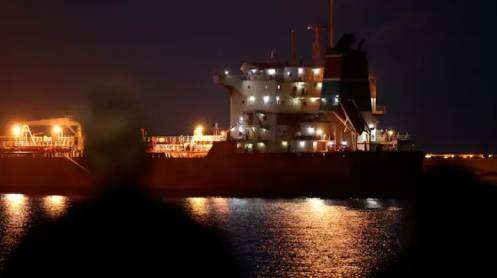
Iran has retaliated against military strikes by launching drones and missiles targeting vessels in the strait, effectively halting the flow of energy supplies to refineries, petrochemical plants, and major industrial consumers worldwide.
Energy executives in the Middle East and Western markets caution that even if the fighting ends quickly, restoring confidence in maritime trade will take time. They warn that Iran’s ability to deploy low-cost drones and asymmetric tactics could continue to threaten shipping routes long after formal hostilities cease.
While U.S. President Donald Trump has suggested deploying naval escorts to protect commercial vessels and urged allies to send warships to secure the Strait of Hormuz, industry experts say such measures may not be sufficient.
A senior Gulf energy official noted that tanker operators are unlikely to resume normal operations unless Iran itself guarantees the safety of shipping. Without an agreement acceptable to Tehran, vessels may continue to remain anchored despite military protection.
Analysts warn that if Washington and Tel Aviv declare victory without Iran’s acceptance, Tehran could attempt to demonstrate resilience by intensifying disruptions using sea mines, drones, or proxy forces.
Recent drone strikes targeting the UAE’s oil loading hub in Fujairah shortly after attacks on Iran’s Kharg Island terminal highlight the growing regional risks.
According to Helima Croft of RBC Capital Markets, Iran is signaling that no location in the region is entirely safe and that Washington cannot unilaterally dictate the pace of escalation. She also warned of potential proxy attacks from allied groups in Yemen and Iraq.
The Iran-aligned Houthi movement in Yemen could further escalate tensions by targeting Saudi Arabia’s Red Sea export terminal at Yanbu, currently the kingdom’s primary alternative route for oil exports.
The crisis has severely undermined confidence in regional supply routes and exposed vulnerabilities in the Middle East’s energy infrastructure, according to an Iraqi government energy adviser. Repairs to damaged facilities could take months, while shipping insurance costs are expected to surge due to heightened security risks.
By Reuters