The ongoing turmoil in the Middle East has exposed a stark reality: Pakistan’s energy security is perilously dependent on external sources. The ongoing conflict between Iran and the United States, coupled with the blockade of the Strait of Hormuz, has disrupted nearly 80% of Pakistan’s energy imports. Oil prices have surged from $75–80 per barrel to $118, while LNG supply disruptions have left national reserves sufficient for only two weeks. Industries are under severe pressure, exports are threatened, and inflation is escalating. This crisis is a clarion call for Pakistan to harness its indigenous energy potential and aggressively promote renewable energy to achieve true self-reliance.
Pakistan sits on a vast, largely untapped wealth of indigenous energy resources, ranging from oil and gas reserves to solar, wind, and hydroelectric potential. Yet, the country continues to rely heavily on imported oil and LNG, leaving it vulnerable to geopolitical shocks, global price volatility, and logistical blockades. The current crisis demonstrates that energy dependence is not merely an economic concern—it is a national security risk. Without a decisive shift toward local energy generation and renewable resources, Pakistan’s economy, industries, and social stability will remain under constant threat.
The strategic partnership with Saudi Arabia, through the East-West Petro Line, allows Pakistan to receive crude oil at Yanbu Harbour on the Red Sea. While this initiative provides some relief for crude oil supplies, it does not address the more pressing issue of LNG, upon which Pakistan is entirely dependent on Qatar. The war in the Middle East has already curtailed up to 14% of global LNG supply, driving prices up by $14 per MMBTU. Pakistan’s LNG reserves can sustain the nation for only two weeks; if the disruption extends beyond three weeks, critical power plants and industries will face severe shutdowns, triggering a domino effect of economic instability.
The economic consequences of this energy vulnerability are profound. The sudden surge in global energy prices has placed Pakistan’s US $7 billion IMF loan programme under threat. GDP growth, currently estimated at 3.6%, could slide to as low as 2.5%, while inflation may skyrocket from 5–7% to 15–20%. Pakistan’s export sector, particularly the textile industry—which contributes 60% of exports and 8.5% of GDP—is already feeling the strain. Hikes in energy prices, coupled with potential levies of up to 20%, could disrupt production, logistics, and international competitiveness. In March 2026 alone, Pakistan’s oil import bill jumped to $600 million, compared to an average of $350–400 million monthly in 2025, with total petroleum import costs potentially rising by 20–40% in a single month.
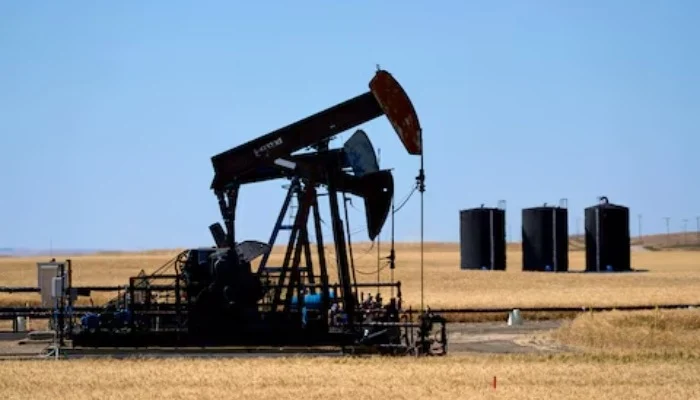
These challenges underscore a simple yet critical truth: Pakistan can no longer afford to rely predominantly on imported energy. Indigenous energy sources and renewable alternatives are not optional—they are imperative for national survival. Pakistan possesses substantial untapped reserves of oil and natural gas, especially in regions like Balochistan and Sindh. Exploiting these reserves responsibly could significantly reduce import dependence, stabilize energy costs, and provide a buffer against global supply shocks.
Equally, renewable energy offers a transformative pathway. Pakistan’s geographic position endows it with immense solar potential, wind corridors in Sindh and Balochistan, and untapped hydropower capacity in the northern regions. Investments in solar and wind farms, combined with small and large-scale hydroelectric projects, could generate a substantial portion of the national electricity supply. Transitioning to renewables would not only mitigate dependence on imported fossil fuels but also promote environmental sustainability, reduce carbon emissions, and create thousands of local jobs.
To realise these goals, Pakistan needs a multi-pronged approach:
- Maximise exploitation of indigenous oil and gas reserves: Streamlined policies, investment incentives, and public-private partnerships could accelerate exploration and production, ensuring stable domestic supply.
- Scale up renewable energy generation: Solar, wind, and hydro projects must be prioritised, with clear targets for capacity expansion and grid integration.
- Promote energy efficiency across industries: Reducing wastage and implementing modern technologies can relieve pressure on power generation and conserve valuable resources.
- Develop strategic energy storage and LNG alternatives: Establishing LNG storage infrastructure and exploring alternative fuel sources like bioenergy can provide contingency buffers during international crises.
The current Middle East crisis is a stark reminder that energy insecurity is a real and present danger. Pakistan’s long-term economic health, industrial competitiveness, and social stability hinge on decisive action today. By fully harnessing its indigenous resources and aggressively expanding renewable energy, Pakistan can achieve self-reliance, reduce exposure to global shocks, and secure a sustainable future.
The message is clear: energy independence is not a distant dream—it is an urgent necessity. The path forward lies in recognising Pakistan’s vast potential, investing boldly in local and renewable energy infrastructure, and committing to a resilient, self-sufficient energy policy. In a world of rising uncertainties, Pakistan cannot afford to wait. The time to act is now.