ISLAMABAD: Facing mounting challenges in the energy sector, the government is preparing to implement a hybrid strategy combining controlled load-shedding, strict conservation measures, and potential tariff adjustments to meet rising electricity demand during the summer months.
According to senior officials, the Power Division is evaluating multiple scenarios to offset the shortfall caused by reduced availability of imported fuels, particularly liquefied natural gas (LNG) and coal, amid the ongoing Middle East crisis. LNG, which contributes over 21% to the national power mix, is expected to see near-zero availability in the coming months, even if geopolitical tensions ease.
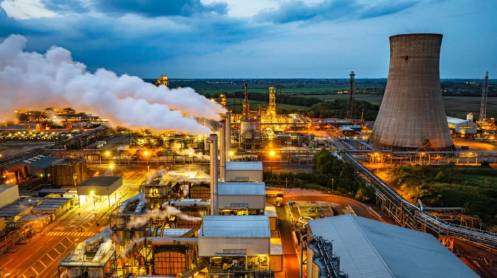
Coal supplies, both imported and local, are also projected to decline, collectively impacting nearly 30% of the country’s electricity generation. As a contingency, furnace oil—despite its significantly higher cost—is being considered as a substitute, especially during peak demand hours. Current furnace oil reserves exceed 360,000 tonnes, sufficient for approximately 25 days.
Officials noted that fuel costs for power generation have surged sharply. While LNG and coal-based generation previously ranged between Rs13.5 to Rs20 per unit, furnace oil-based generation now costs around Rs35 per unit, with prices rising further due to disruptions in global oil supply chains.
The government may allow fuel cost adjustments of Rs10–12 per unit, though passing the full burden onto consumers—particularly industrial users—remains unlikely. High-speed diesel, with generation costs exceeding Rs80 per unit, has been ruled out due to its critical use in agriculture and transportation.
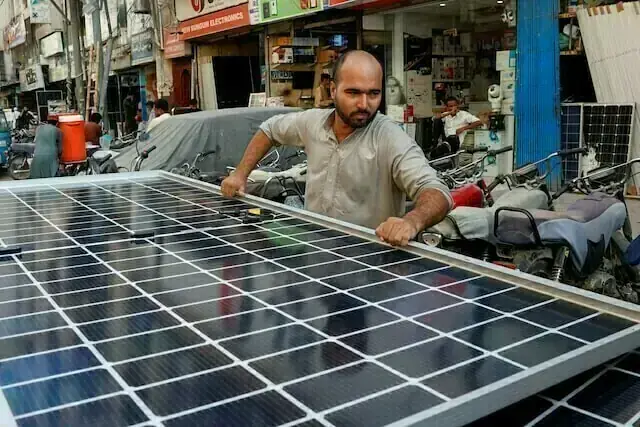
Electricity demand is expected to peak between 27,000 and 28,000MW in summer, compared to current peak consumption of under 14,000MW. Increased reliance on solar energy has helped reduce grid pressure during daytime hours.
In light of these constraints, authorities are planning 2–3 hours of daily load-shedding on average, alongside aggressive conservation campaigns. Gas availability is also tightening, with supplies to power plants expected to drop significantly from April. Gas diversion from the CNG and fertiliser sectors is under consideration to partially bridge the gap.
Compounding the crisis are operational inefficiencies and coordination issues. Around 1,500–1,800MW of coal-based generation is at risk due to logistical disputes between Pakistan Railways and key power plants at Sahiwal and Jamshoro. Fuel stocks at these plants are critically low, with reserves lasting only three to seven days, potentially leading to additional outages of up to three hours.
Officials warn that unresolved transport bottlenecks could jeopardize 10–15% of total electricity generation. The issue has been escalated to senior government leadership for urgent intervention, as prolonged disruptions could further strain the power supply and increase financial losses across sectors.
The final strategy will hinge on fuel availability and administrative coordination, as the government seeks to navigate one of the most challenging energy scenarios in recent years.
Story by Khaleeq Kiani