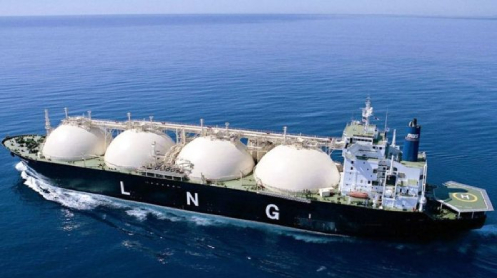
ISLAMABAD: Government officials have confirmed that liquefied natural gas (LNG) supplies are currently unavailable for power generation due to force majeure conditions, triggered by escalating geopolitical tensions and supply disruptions in global energy markets.
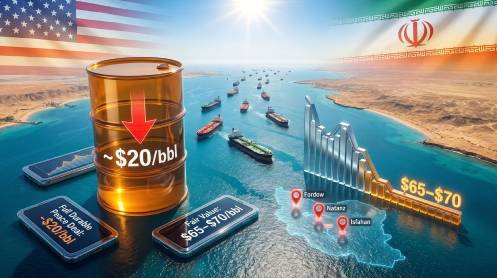
The disclosure came during a public hearing of the National Electric Power Regulatory Authority (Nepra), where officials explained that circumstances beyond control—primarily the ongoing conflict involving the United States, Israel, and Iran—have severely impacted LNG availability.
Responding to queries, Rehan Akhtar, Chief Executive Officer of the Central Power Purchasing Agency (CPPA), stated that LNG-based power plants, with a combined capacity exceeding 4,500MW, are currently unable to operate due to supply constraints. However, he reassured that coal imports from South Africa and Indonesia remain stable and unaffected by Middle East disruptions.
The crisis has been exacerbated by disruptions in the Strait of Hormuz, a critical route previously handling around 20% of global LNG shipments. Compounding the issue, Qatar—a major LNG supplier contributing nearly one-fifth of global output—halted operations at its facilities in early March and declared force majeure, further tightening global supply.
Despite these challenges, officials maintained that the situation remains under control. Naveed Qaiser, Chief Financial Officer of the Power Planning and Monitoring Company (PPMC), assured that fuel cost adjustments (FCA) would not surge significantly and that no major tariff shock is expected in the near term.
Authorities are also working on a pricing strategy to encourage greater electricity usage during daytime hours, leveraging cheaper and solar-based generation. This move is aimed at optimizing energy consumption patterns and reducing reliance on expensive fuels.
While minor logistical issues persist in coal transportation for plants like Sahiwal and Jamshoro, officials said coordinated efforts are underway to maintain adequate inventories and ensure uninterrupted generation.
Encouragingly, electricity tariffs for April are expected to remain stable, with only marginal adjustments replacing previous charges. Additionally, officials highlighted that power supply from the national grid to K-Electric has helped avoid higher costs for consumers, potentially saving up to Rs4.08 per unit in February alone.
On the financial front, circular debt is projected to remain contained at around Rs1.69 trillion by the end of the fiscal year. Officials noted a significant improvement compared to last year, with a reduction of approximately Rs780 billion.
Industrial stakeholders, however, urged the regulator to introduce a fixed, all-inclusive tariff regime—capped at nine cents per unit for at least five years—to enhance export competitiveness and reduce uncertainty.
Despite global fuel volatility, the government claims to have provided cumulative relief of Rs46.56 billion to consumers during the first eight months of FY2025–26, contributing to a net reduction in electricity tariffs. Industrial tariffs have also dropped significantly, supporting increased consumption and economic activity across key sectors.
Story by Khaleeq Kiani