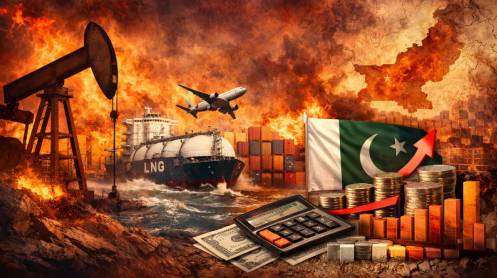
AMMAN/SINGAPORE: The ongoing conflict triggered by the US-Israeli attack on Iran has inflicted an estimated $186 billion loss on Arab economies within just one month, a senior United Nations official revealed, warning of severe and far-reaching economic consequences.
Abdallah Al Dardari, speaking in Amman, said the war has slashed approximately 6% from the region’s GDP. He urged an immediate ceasefire, stressing that continued hostilities would further damage not only regional economies but also the global financial system.
The oil-rich Gulf countries are bearing the brunt of the impact, with losses estimated at $168 billion, while the Levant region faces around $30 billion in economic damage. The conflict, which erupted in late February, has rapidly expanded across the Middle East, drawing in multiple countries including Lebanon and Iraq.
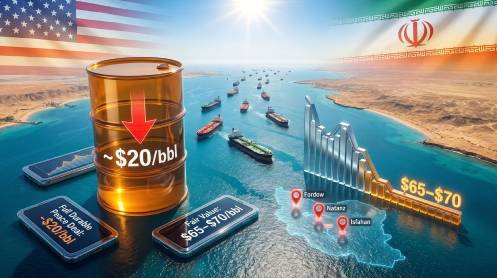
A major concern remains disruptions in the Strait of Hormuz, a vital artery for global energy trade that previously handled nearly 20% of the world’s oil and gas flows. The crisis has exposed the vulnerability of Arab economies, many of which remain heavily dependent on oil revenues or financial inflows linked to oil-exporting nations.
Dardari warned that this structural reliance on a single commodity makes the region economically fragile and unsustainable in the face of such shocks. The social impact is equally alarming, with an estimated 3.7 million jobs at risk and nearly 4 million additional people expected to fall below the poverty line due to the conflict.
Meanwhile, the fallout is spreading beyond the Middle East, with Asia emerging as the hardest-hit region in the unfolding global energy crisis. According to Kpler, a leading maritime analytics firm, crude oil shipments to Asia have sharply declined, leaving major economies scrambling for alternatives.
Jean Maynier noted that many Asian countries—including China, the Philippines, and Indonesia—lack sufficient domestic energy resources to offset the supply shock. The Philippines has already declared a national energy emergency in response to the crisis.
“There is almost no crude oil arriving in Asia currently, and inventories are rapidly depleting,” Maynier said, adding that the duration and intensity of the conflict have caught markets off guard.
Despite the risks, some tanker traffic continues through the Strait of Hormuz, with 17 commodity vessels reported to have crossed over the weekend—indicating both the urgency of global energy demand and the high-stakes environment facing international shipping.
As the conflict drags on, experts warn of escalating energy prices, deepening economic instability, and a prolonged global ripple effect unless diplomatic efforts succeed in halting the war.
By Agencies