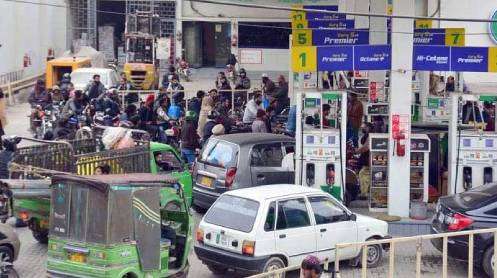
ISLAMABAD: Consumer inflation in Pakistan rose to 7.3% in March, up from 7% in February, continuing an upward trajectory largely fueled by rising energy costs linked to the ongoing Middle East conflict.
According to the Consumer Price Index (CPI) data released by the Pakistan Bureau of Statistics (PBS), higher domestic energy tariffs played a key role in pushing inflation beyond earlier expectations. The Finance Ministry had already projected inflation to fall within the 7.5% to 8.5% range, citing escalating energy prices due to geopolitical tensions.
The impact is expected to persist into April, as increased fuel costs are likely to elevate transportation expenses and further drive up prices of essential commodities, particularly perishable food items.
On a month-on-month basis, inflation recorded a 1.2% increase in March. During the July–March period of FY2025-26, average inflation stood at 5.67%, slightly higher than 5.25% in the same period last year.
Despite the recent uptick, average annual inflation for FY2024-25 dropped significantly to 4.49%, compared to 23.41% in the previous year, primarily due to a high base effect, easing food prices, and relatively lower transport costs. The government maintains a 7% inflation target for the current fiscal year.
The State Bank of Pakistan kept its policy rate unchanged at 10.50%, signaling caution as inflation remains above its medium-term target range of 5–7%. The central bank also warned that inflationary pressures may persist amid improving economic activity and a widening trade deficit.
Economists describe the current phase as disinflation, where the rate of price increases slows, but the overall cost of living remains elevated.
Food inflation in March rose by 2.9% in urban areas and 4.5% in rural areas. Month-on-month, urban food inflation edged up by 0.1%, while rural areas saw a slight decline of 0.6%. However, non-food inflation remained high, reaching 10.3% in urban areas and 9.7% in rural regions.
Core inflation, which excludes volatile food and energy prices, stood at 7.4% in urban areas and 8.4% in rural areas, indicating persistent underlying inflationary pressures.
Among urban food items, the highest month-on-month increases were recorded in chicken (13%), fresh fruits (11.25%), and fresh vegetables (5.01%), followed by pulses, meat, and bakery products, reflecting continued pressure on household budgets.
Story by Mubarak Zeb Khan