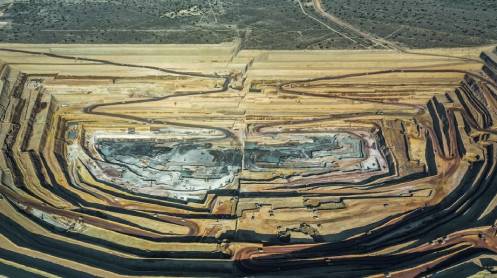
ISLAMABAD: Pakistan’s Thar coal mining sector has received a major boost as operators in Block-I and Block-II move to transition from diesel-based systems to grid-powered infrastructure, a step expected to significantly reduce costs and emissions.
The initiative, led by Sindh Engro Coal Mining Company, involves an investment of Rs5.3 billion to develop grid stations and transmission links. The project will connect mining operations to Hyderabad Electric Supply Company’s 132 kV Islamkot grid station, enabling an electricity offtake of around 60 MW.
The transition follows a request by the Government of Sindh in January 2025 for concessional tariffs to replace High-Speed Diesel (HSD) with grid electricity, aiming to improve sustainability and operational efficiency.
According to the Power Division, the move is expected to save Rs25 million per day in diesel costs, translating into $25–30 million annually in foreign exchange savings by reducing reliance on imported fuel. Additionally, coal production costs are projected to decline by $0.7 per ton, lowering overall electricity generation costs.
Currently, diesel-based power for mining operations costs around 33 cents per kWh, which is expected to drop to nearly 13 cents per kWh—a reduction of over 60% under the new system.
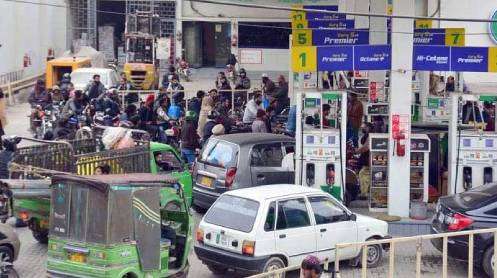
A major inefficiency identified in Thar operations has been the heavy use of diesel for dewatering and mining activities. On average, 35,000 litres of diesel per day are consumed for dewatering alone, while total daily usage ranges between 200,000 to 250,000 litres, significantly inflating operational expenses and increasing the burden on electricity consumers through higher tariffs.
To address this, the Power Division engaged key stakeholders, including the Thar Coal Energy Board and the National Grid Company, to develop a sustainable alternative aligned with long-term energy goals.
Beyond economic benefits, the shift is expected to cut carbon emissions by approximately 80,000 tons annually. Authorities have also directed a gradual transition of diesel-powered mining vehicles to electric alternatives, further supporting decarbonisation efforts.
The move comes at a critical time, as global energy market disruptions—particularly due to Middle East tensions—highlight the importance of reducing dependence on imported fuels. By leveraging domestic grid power, Pakistan aims to ease pressure on foreign exchange reserves while advancing cleaner and more cost-effective energy solutions in the Thar region.
Story by Mushtaq Ghumman