Abu Dhabi, United Arab Emirates: The global renewable energy sector demonstrated remarkable resilience in 2025, with total installed capacity reaching 5,149 GW following an unprecedented addition of 692 GW—a 15.5% annual increase, according to the latest Renewable Capacity Statistics 2026 released by the International Renewable Energy Agency.
The report highlights that renewables accounted for a dominant 85.6% share of total global capacity expansion, further cementing their position as the backbone of future energy systems, while non-renewable additions continued to decline in relative significance.
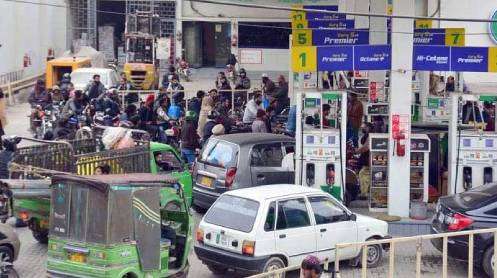
Amid escalating geopolitical tensions, particularly in the Middle East, concerns over energy security and fossil fuel price volatility have intensified. In this evolving landscape, renewable energy is increasingly viewed as a strategic solution—offering locally sourced, cost-effective, and rapidly deployable power that reduces reliance on volatile international fuel markets.
Commenting on the findings, Francesco La Camera emphasized that renewable energy continues to expand steadily despite global uncertainties. He noted that a decentralized energy system with a growing share of renewables enhances resilience, enabling countries investing in energy transition to better withstand economic shocks while improving competitiveness and energy security.
Solar and Wind Lead the Charge
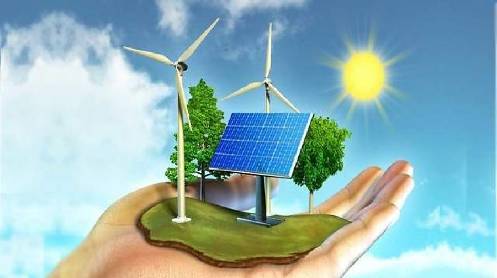
Solar energy remained the primary driver of growth, contributing 511 GW, or nearly 75% of total renewable additions. Wind energy followed with 159 GW, bringing the combined contribution of solar and wind to an overwhelming 96.8% of new capacity—reflecting continued cost reductions and technological advancements.
Bioenergy recorded modest growth, adding 3.4 GW, while other technologies such as geothermal and hydropower saw comparatively smaller but steady increases.
Regional Disparities Persist
The report underscores significant regional imbalances in renewable energy deployment:
- Asia led global expansion with a 74.2% share, adding 513.3 GW and reaching a total capacity of 2,891 GW
- Europe followed with 934 GW total capacity
- Africa achieved its highest-ever growth, increasing by 15.9% (11.3 GW), driven by countries such as Ethiopia, South Africa, and Egypt
- The Middle East recorded the fastest growth rate at 28.9%, led by Saudi Arabia
- Central America and the Caribbean remained the lowest, with just 21 GW total capacity
These disparities highlight the vulnerability of regions with low renewable penetration and reinforce the urgent need for accelerated clean energy adoption to ensure energy security and economic stability.
Technology Highlights
- Solar PV: Dominated with 510.3 GW of total solar additions
- Hydropower: Added 18.4 GW, with China contributing 96% of growth
- Wind: Expanded by 14%, with China leading global additions
- Bioenergy: Growth led by Japan, followed by China and Brazil
- Geothermal: Modest increase of 0.3 GW, driven by the Philippines and Indonesia
- Off-grid solutions: Expanded by 1.7 GW, primarily through solar energy
The findings reaffirm that renewable energy is not only accelerating at record pace but also emerging as a cornerstone of global energy resilience, particularly in an era marked by geopolitical uncertainty and climate urgency.