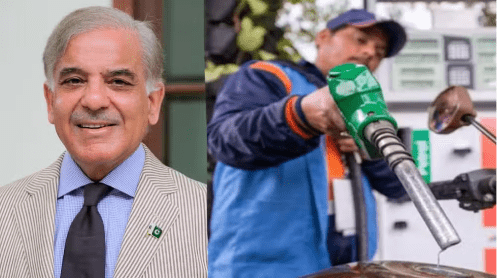
Prime Minister Shehbaz Sharif announced that petrol prices will fall from Rs. 458.41 per litre to Rs. 378 per litre starting midnight Saturday, partially reversing Thursday’s massive increase that had pushed fuel prices to record levels across Pakistan.
The government had earlier raised petrol by Rs. 137.24 per litre and diesel by Rs. 184.49 per litre, taking diesel prices to Rs. 520.35 per litre and petrol to Rs. 458 per litre.
The initial increase was unavoidable after global energy markets were disrupted by escalating conflict involving the United States, Israel and Iran. The tensions rattled oil supply routes, particularly shipments passing through the Strait of Hormuz, one of the world’s most critical oil transit corridors.
As an import-dependent economy, Pakistan remains highly vulnerable to sudden spikes in global crude prices.
Govt Moves to Contain Public Pressure
Addressing the nation, the prime minister said the government decided to expand relief measures after consultations with federal and provincial leadership, acknowledging that soaring fuel prices would continue to burden households despite targeted subsidies announced earlier.
The Rs. 80 reduction will be financed through a temporary cut in the petroleum levy and will remain effective nationwide for at least one month.
Subsidy Package to Continue
The previously announced targeted relief measures will remain in place alongside the price cut.
Under the subsidy plan, motorbike owners will receive Rs. 100 per litre subsidy, limited to 20 litres per month for three months.
Small farmers will receive a one-time payment of Rs. 1,500 per acre to offset higher diesel costs during the harvesting season.
Freight transport operators will receive monthly support of Rs. 70,000, while larger transport vehicles will get Rs. 80,000.
Public passenger buses will receive Rs100,000 in monthly assistance.
Pakistan Railways will also receive government support aimed at preventing fare increases for lower-income passengers.
The prime minister also extended cabinet salary reductions from two months to six months to redirect government spending toward public relief.