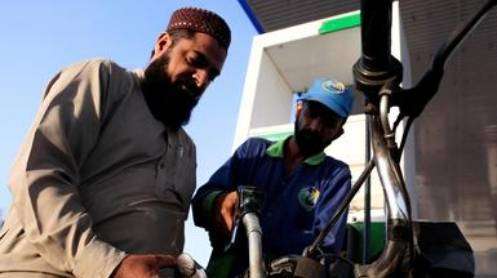
RAWALPINDI: The government’s announced relief for motorcycle riders has largely failed to materialize on the ground, with citizens reporting little to no benefit despite a recent reduction in petrol prices.
While petrol prices were cut following public backlash, the unchanged cost of diesel has prevented any meaningful reduction in transport fares. Public and goods transport—largely dependent on diesel—continues to operate at elevated costs, undermining the overall impact of the relief measures.
Freight charges have surged by 60–65%, significantly increasing the cost of transporting essential commodities. In Rawalpindi and Islamabad, flour dealers have set delivery charges at Rs20 per 15kg bag, while transportation of larger sacks has reached Rs80, further burdening consumers.
The controversy follows the government’s earlier decision to raise petrol prices sharply before reducing them by Rs80 per litre on the directives of Prime Minister Shehbaz Sharif, bringing the rate down to Rs378. However, many citizens view the reduction as insufficient, calling it “a drop in the ocean.”
The Rs100 subsidy announced for motorcycle riders has also drawn criticism, with users citing complicated procedures that make it difficult to access the benefit. Ride-hailing operators and daily commuters report that the concession is impractical and unlikely to be utilized effectively within the given timeframe.
Meanwhile, transport fares remain high, with stop-to-stop charges reportedly reaching Rs60, as diesel prices continue to hover at record levels.
Legal concerns are also emerging, as Tariq Mahmood Sajid Awan has announced plans to challenge the fuel price hike in the Rawalpindi Bench of the High Court.
With limited trickle-down impact and persistent inflationary pressure, the relief measures have so far fallen short of public expectations.