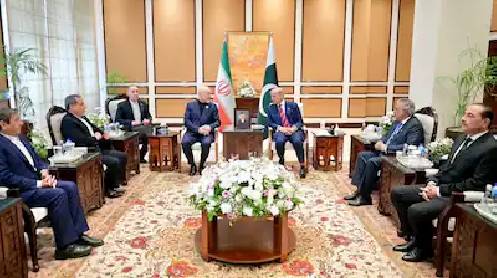
ISLAMABAD: High-level negotiations between the United States and Iran ended without agreement after nearly 21 hours of intensive talks in Islamabad, with both sides blaming each other for the breakdown.
Speaking before departing for Washington, US Vice President JD Vance said the talks stalled because Tehran refused to commit to abandoning its pursuit of nuclear weapons capability.
“The bad news is that we have not reached an agreement, and I think that’s bad news for Iran much more than it is for the US,” Vance stated, adding that Washington’s core demand remains a clear and long-term commitment from Iran not to develop nuclear weapons or the capability to rapidly produce them.
He emphasized that the US had clearly outlined its “red lines” while also showing flexibility during the negotiations, but claimed the Iranian delegation ultimately declined to accept the proposed terms. Vance noted he remained in close contact with Donald Trump throughout the discussions.
The US delegation—also comprising envoy Steve Witkoff and senior adviser Jared Kushner—described the proposal on the table as its “final and best offer,” leaving the door open for Iran to reconsider.
Iranian officials, however, rejected the US narrative, accusing Washington of making “excessive demands” that derailed the negotiations. Foreign ministry spokesperson Esmaeil Baqaei said expectations of a swift agreement were unrealistic and denied that the talks had collapsed.
“No one should have expected an agreement in a single session,” he said, adding that Iran remains open to continued diplomatic engagement.
The Iranian delegation included senior figures such as Parliament Speaker Mohammad Bagher Ghalibaf and Foreign Minister Abbas Araghchi, reflecting the high stakes of the dialogue.
Despite the impasse, both sides acknowledged Pakistan’s role in facilitating the talks. Vance thanked Prime Minister Shehbaz Sharif and Field Marshal Syed Asim Munir for their efforts, noting that Islamabad had “done an amazing job” in hosting and mediating the discussions.
The marathon negotiations—among the highest-level direct engagements between Washington and Tehran in decades—covered a wide range of issues beyond the nuclear file but failed to bridge key differences.
While no breakthrough was achieved, both sides signaled that diplomatic channels remain open, with further engagement likely amid ongoing regional tensions.
Story by Zulfiqar Ahmad