ISLAMABAD: Federal Minister for Energy, Sardar Awais Ahmed Khan Leghari, has stated that the ongoing loadshedding in the country is temporary and primarily caused by the suspension of imported gas since April 1. He expressed optimism that the situation will improve within the next few days.
Addressing a press conference, the minister apologized for loadshedding during peak hours and said the government is committed to transparently sharing facts with the public. He explained that electricity generation from gas is not feasible during peak hours under the current constraints.
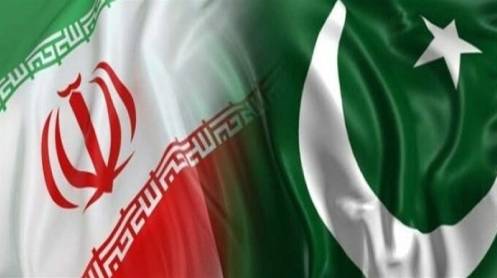
Leghari noted that regional tensions, particularly the Iran–US tensions, have contributed to the current energy challenges. However, he maintained that Pakistan’s situation remains relatively better compared to other countries.
He revealed that hydropower generation has dropped to 1,676 MW due to reduced water releases, resulting in a shortfall of 1,530 MW. Despite this, no loadshedding is being carried out during daytime hours.
The minister further shared that electricity demand during the first half of April ranged between 15,000 to 20,000 MW. Currently, around 1,671 MW of electricity is being generated from LNG, compared to 3,000 MW in April last year.
Leghari emphasized that all power plants are operational, but the lack of LNG supply has forced authorities to increase loadshedding based on demand. He clarified that loadshedding is being implemented across rural, urban, and industrial sectors.
Rejecting misinformation on social media, he stated that running power plants on diesel would cost up to Rs100 per unit, which would place an unbearable burden on consumers.
The minister assured that efforts are underway to resume LNG imports and expressed hope that the crisis will be resolved soon. He reiterated that the situation is beyond the government’s control due to external geopolitical factors.
He added that once LNG supply resumes and hydropower generation improves, loadshedding will be eliminated. “This is a temporary phase,” he stressed.
Leghari also highlighted that electricity prices have been reduced over the past two years. He concluded by stating that if the situation persists after the end of the Iran–US conflict, he would take full responsibility.
Additionally, he mentioned discussions with President Asif Ali Zardari regarding water security and loadshedding. He noted that water distribution falls under IRSA’s jurisdiction, and currently, the country is facing a 15% water shortage until June 30.
Due to the existing shortfall, load management of 6 to 7 hours is being implemented. The minister concluded by saying that while LNG imports are expected, it is premature to give a timeline for the arrival of cargoes.